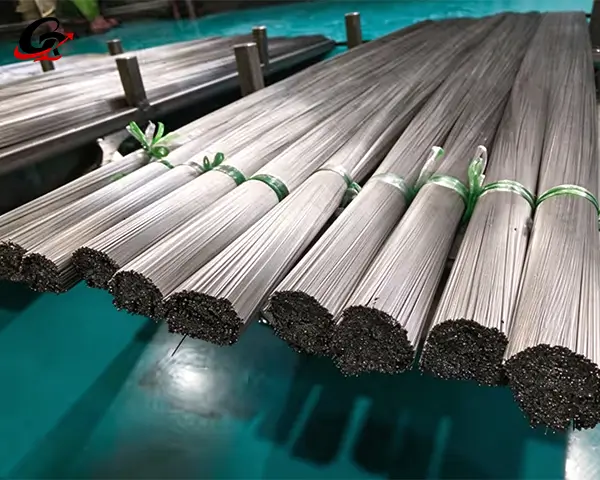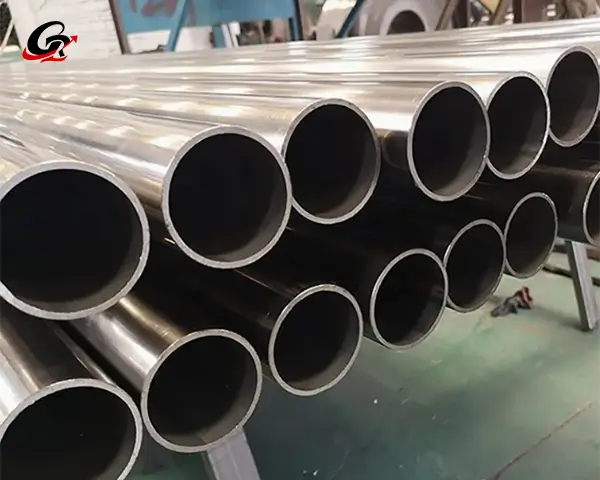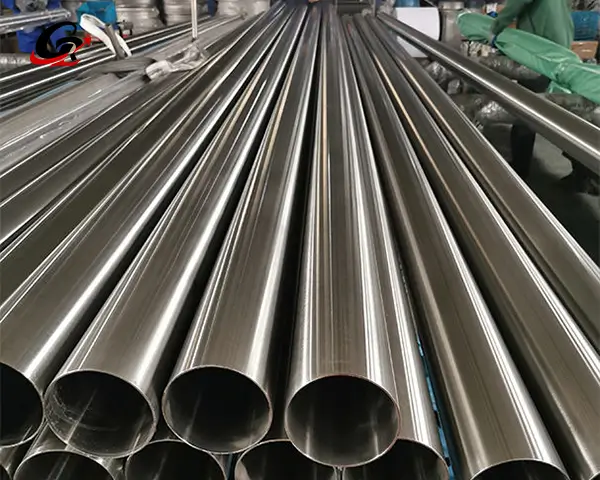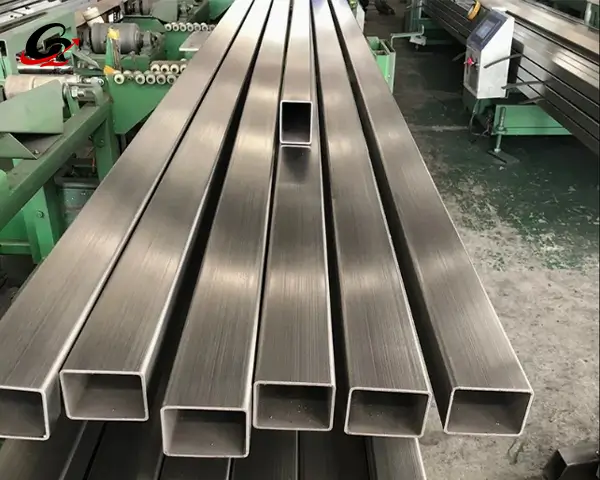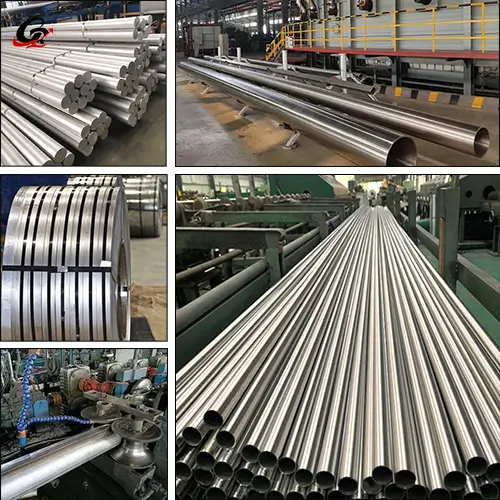
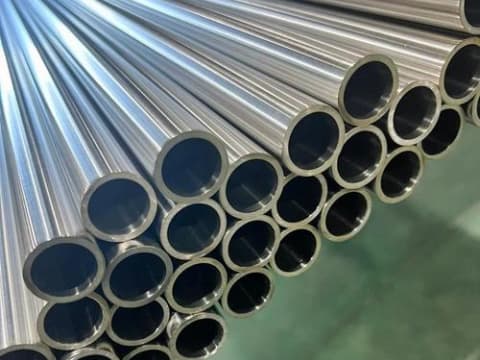
316 stainless steel pipe is enhanced with molybdenum (Mo), offering superior corrosion resistance compared to 304 stainless steel, especially in chloride-containing environments. Available in both seamless and welded types complying with ASME SA312 TP316 and ASTM A269 TP316 standards.
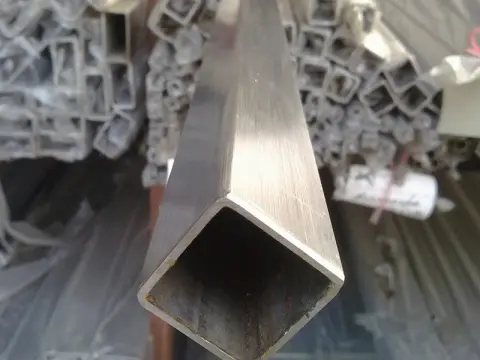
Glory Steel professionally manufactures 316 stainless steel round, square, and rectangular pipes. We support custom wall thickness, length, and pipe diameter.
✅ ISO 9001 / CE Certified
✅ Round Tube Size: 1/2″, 3/8″, 3/4″, 1″, 2″, 3″
Metric Sizes: 25mm OD, custom OD up to 200mm
✅ Rectangular Tube Sizes: 2×4″, 2×6″
✅ Custom wall thickness, length & diameter supported
✅ Free Sample Available
Specifications
| Item | Description |
|---|---|
| Material | 316 / AISI 316 / 316L, 316Ti |
| Type | Seamless, Welded |
| Section Shape | Round, Square, Rectangular (custom shapes available) |
| Standard | AISI also complies with ASTM A312 / A213, etc. |
| Surface Finish | 2B (matte), Pickled, Polished |
| Processing Service | Bending, Cutting, Beveling, Threading, Custom Length |
| Wall Thickness | 0.5mm – 50mm |
| Length | 3 – 12m |
| Delivery Time | 15 – 21 days |
Material Notes:
- 316 – Standard grade.
- 316L – Low carbon grade (better weld corrosion resistance).
- 316Ti – Titanium-stabilized grade (high temperature resistance).
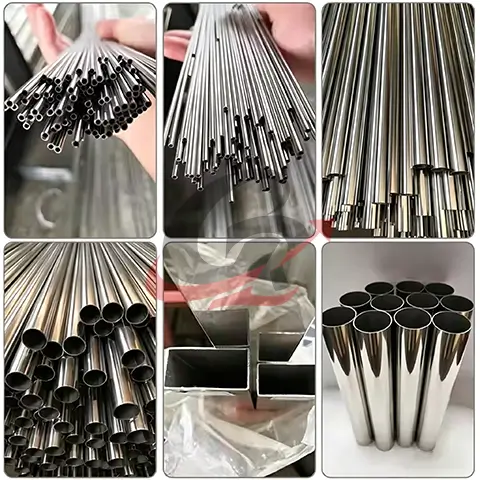
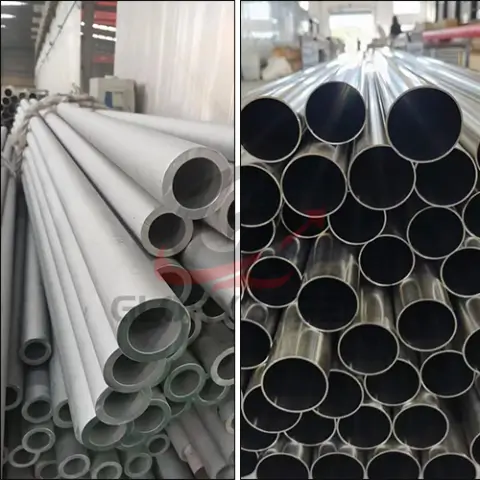
Surface Treatment Types for 316 Stainless Steel Pipes
- Acid Pickling and Passivation – Matte/frosted surface; acid pickling removes the oxide layer, leaving a passivation film.
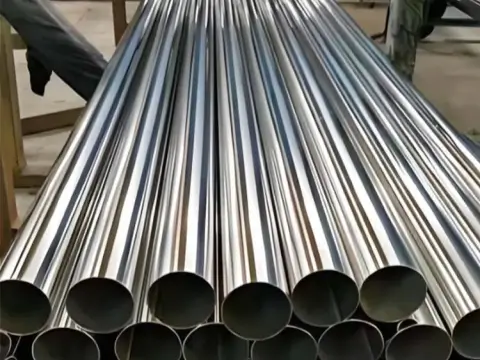
- Bright Annealing – High-gloss surface with good reflectivity; Ra≤0.8μm; BA grade pipe.
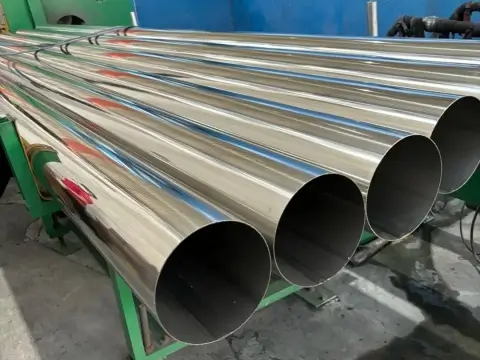
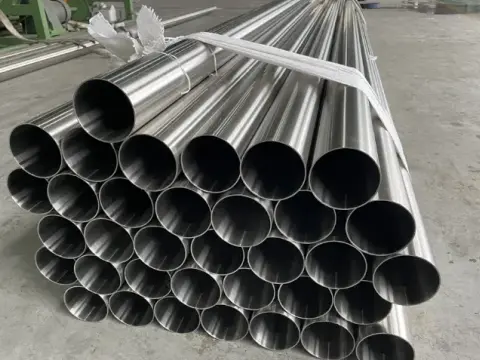
- Electropolishing – Mirror finish achievable (Ra≤0.2-0.4μm); best cleanliness.
- Mechanical Polishing – Adjustable from coarse to mirror finish, depending on the number of polishing passes; lower cost.
- Brushed – Straight long filaments, snowflake-like short filaments, or nylon texture; fine matte finish.
Chemical Composition (%)
| Element | Range |
|---|---|
| Carbon (C) | ≤ 0.08 |
| Chromium (Cr) | 16.0 – 18.0 |
| Nickel (Ni) | 10.0 – 14.0 |
| Molybdenum (Mo) | 2.00 – 3.00 |
| Manganese (Mn) | ≤ 2.00 |
| Silicon (Si) | ≤ 1.00 |
| Phosphorus (P) | ≤ 0.045 |
| Sulfur (S) | ≤ 0.03 |
| Nitrogen (N) | ≤ 0.10 |
| Iron (Fe) | Balance |
Physical & Mechanical Properties
| Property | Value / Description |
|---|---|
| Density | 8.0 g/cm³ |
| Melting Point | 1375 – 1450℃ |
| Tensile Strength | ≥ 515 MPa (Grade TP316) |
| Yield Strength | ≥ 205 MPa |
| Elongation | ≥ 35% |
| Hardness | ≤ 90 HRB or ≤ 200 HV |
| Magnetism | Non-magnetic in the solution-treated state, weakly magnetic after cold working |
| Thermal Conductivity | Low (approx. 1/3 of carbon steel) |
| Thermal Expansion Coefficient | Approx 16×10⁻⁶/℃ (20–100℃ range) |
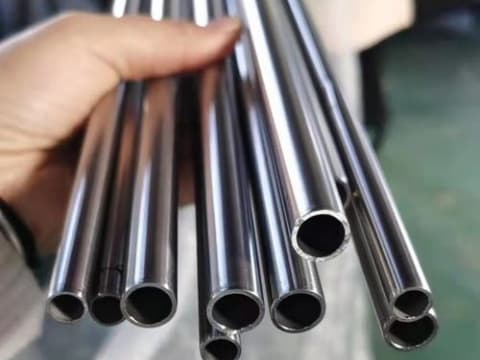
Key Features
Superior oxidation resistance, Wide temperature adaptability – from -270℃ to 870℃, Long service life.
316/316L Welded Pipe – Characteristics
- High production efficiency, relatively low cost.
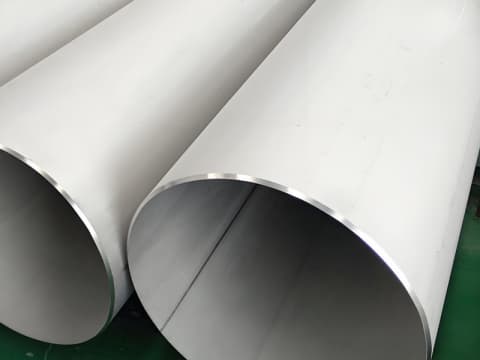
- Raw material: stainless steel strip or plate.
- High precision and uniform wall thickness.
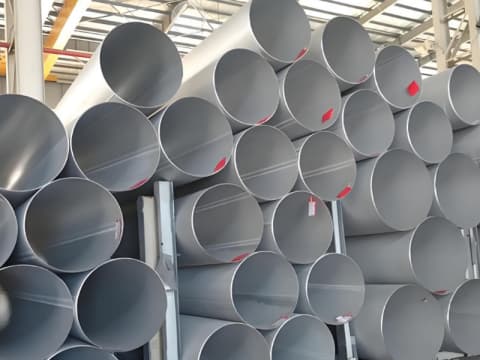
- Capable of producing large diameters (several meters).
- Custom cut-to-length available.
- Lower pressure resistance than seamless pipe.
- Suitable for medium/low pressure structures, thin walls, and special shapes.
316/316L Seamless Pipe – Characteristics
- Raw material: stainless steel round bar.
- No weld seam – no weak zone.
- High pressure resistance.
- Excellent temperature resistance and fatigue resistance.
- Uniform rust resistance throughout.
- Suitable for highly corrosive media.
- Primarily small diameter and thick wall.
How to Choose?
If you pursue cost performance and processing efficiency, welded pipe is your first choice. For high pressure, high temperature or extremely corrosive environments, seamless pipe is recommended.
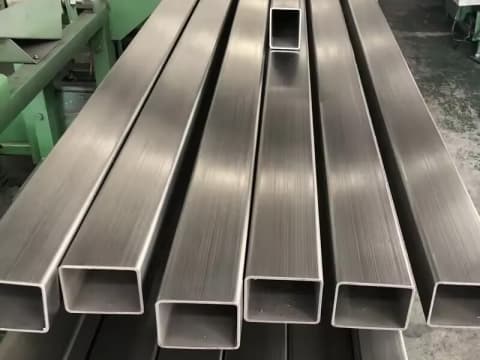
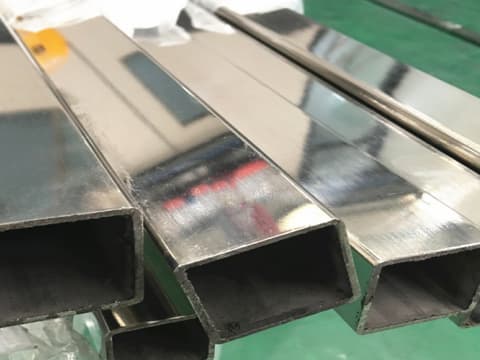
Applications
- Industrial Use – Applied for fluid pipelines, heat exchangers, and papermaking equipment in the petroleum, chemical, and pharmaceutical industries.
- Marine Engineering – Coastal construction, shipbuilding, and seawater desalination facilities.
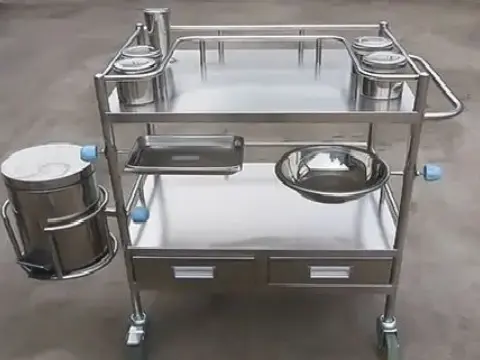
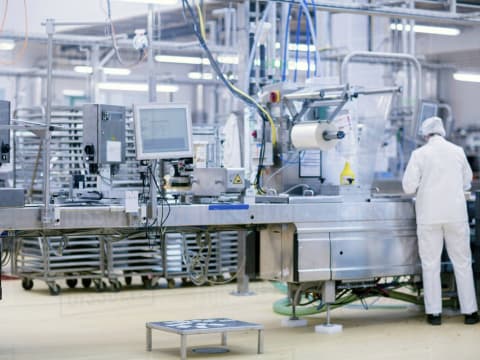
- Food, Pharmaceutical & Construction – Food-grade conveying pipelines, beverage and brewing pipelines, medical tubes; Also used for clean workshop railings and corridor supports.
FAQs
Q1: What’s the difference between 316L and 316? How to choose?
316L is the low-carbon version of 316. Recommended for welding applications. For general fluid conveying without welding, 316 is acceptable.
Q2: Why does 316 stainless steel pipe rust?
Although named “stainless” steel, it is still metal and will eventually corrode over a very long time.
Prevention methods: Avoid galvanic corrosion, avoid prolonged exposure to highly concentrated corrosive environments, and prevent surface scratches.
Q3: What standards do 316L seamless pipes comply with?
GB/T 14976, ASTM A269, ASTM A240 / ASME SA240, ISO 4763, GB/T 40317-202, etc. As a professional 316 stainless steel pipe manufacturer, we can provide full-size pipes as 316 ss tubing suppliers.
Q4: What causes “black bands” or “white bands” on the surface of 316L pipes?
This is a common phenomenon in seamless pipe production, essentially caused by intergranular corrosion due to carbon slag infiltration during continuous casting.
Q5: What interpass temperature and welding method are recommended for welding 316L pipes?
- Interpass temperature: Generally ≤150℃; ≤80℃ when corrosion resistance is critical.
- Recommended welding method: TIG welding with ER316L low-carbon filler wire.
Why Choose Glory Steel?
- Factory Direct Supply – Full specifications of 316/316L in stock, no middleman markup. OEM/ODM services.
- Strict Material Inspection – Each batch undergoes corrosion resistance and non-destructive testing, with chemical composition and mechanical property reports provided.
- OEM/ODM Customization – Customizable pipe diameter, wall thickness, length, anti-corrosion treatment, and surface finish.
- Standard Export Packaging – Professional technical team to recommend processes and materials that reduce your costs.
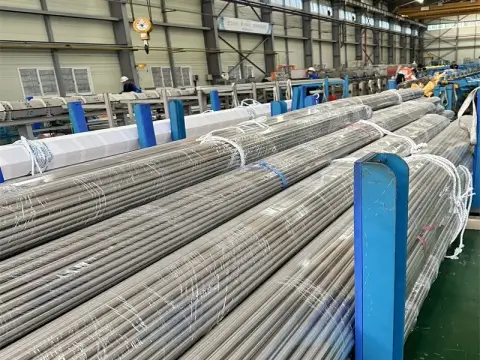
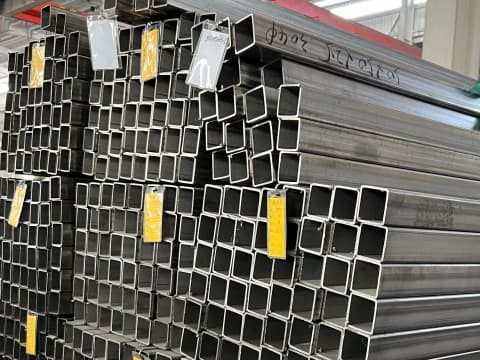
Glory Steel factory, located in Tianjin, China, is an ISO 9001, ISO 14001, and CE certified factory with an annual output of 100,000 tons. We specialize in manufacturing 304, 310S, and 2205 Duplex Stainless Steel Pipes, including SS welded and SS seamless pipes, with customizable cross-sections. With our high-quality products and services, we export to over 120 countries.
Mon-Fri: 8:00 – 18:00 (GMT+8)