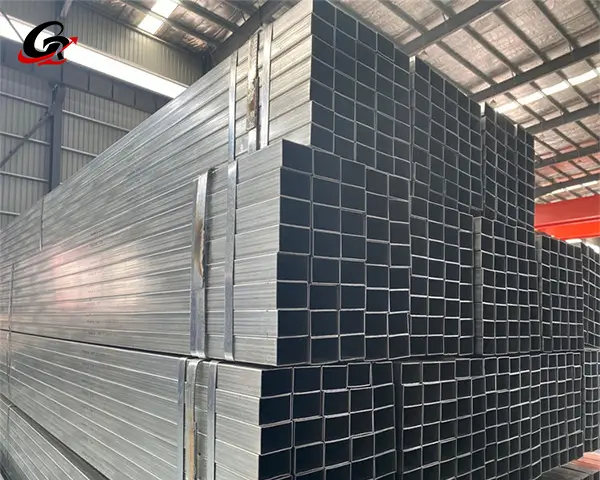
Many pipe purchasers often have this question: Is galvanized pipe manufactured by rolling and welding galvanized coil directly? Brief conclusion: Qualified hot-dip galvanized pipe is NOT welded from galvanized coil. Although galvanized coil can be physically welded into tubes, the anti-corrosion performance of weld seams fails to meet standards, and such tubes are not approved for engineering pressure pipelines. Direct welding will destroy the zinc coating on weld seams, resulting in loss of corrosion protection at welding positions.
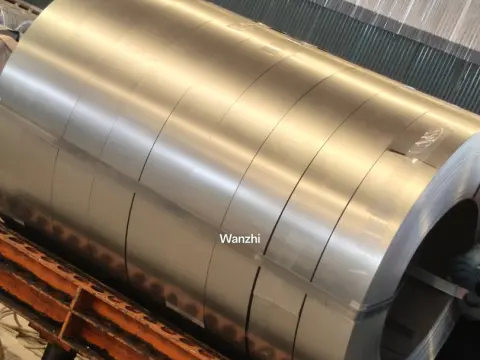
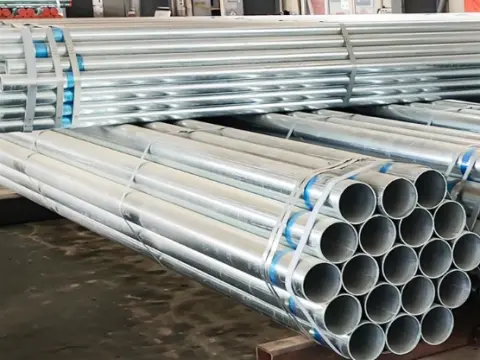
This article explains the manufacturing process of standard galvanized pipe, and answers another frequently asked question: Why finished galvanized pipe can be welded during on-site installation.
1. Can galvanized coil be directly rolled and welded into pipes?
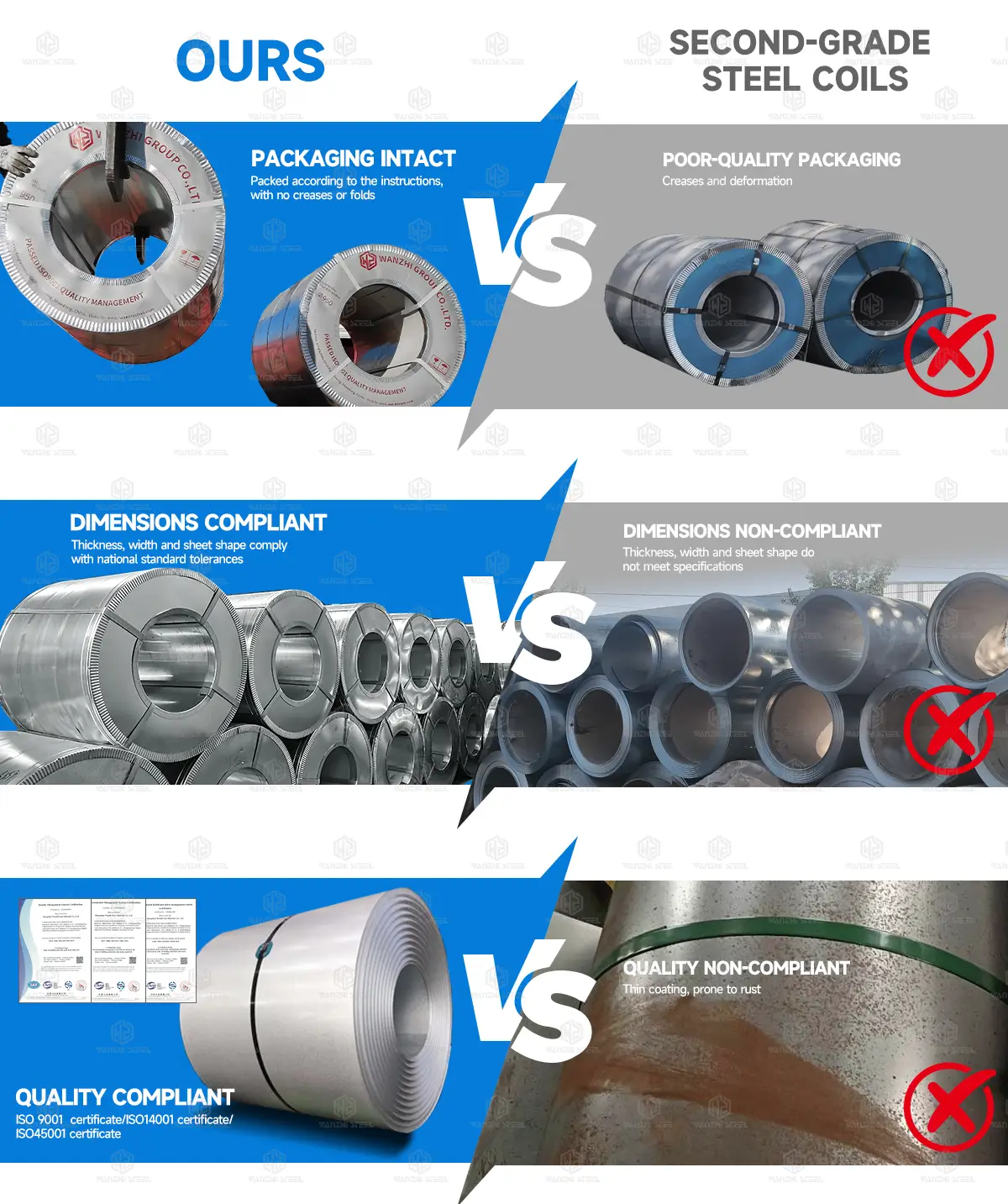
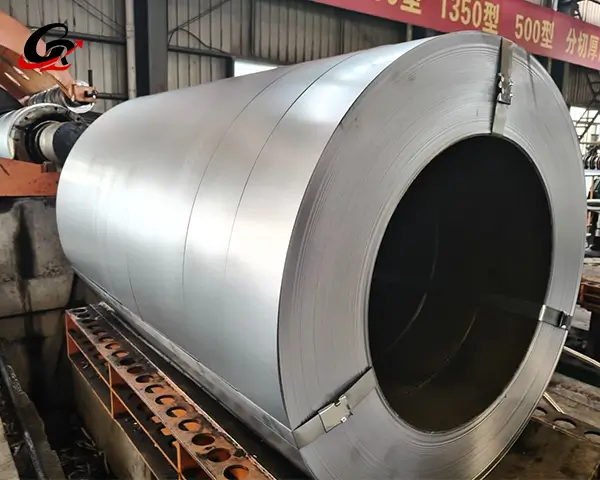
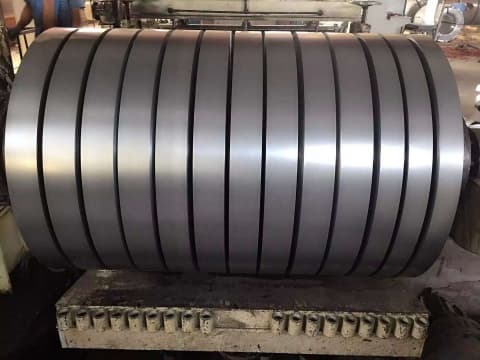
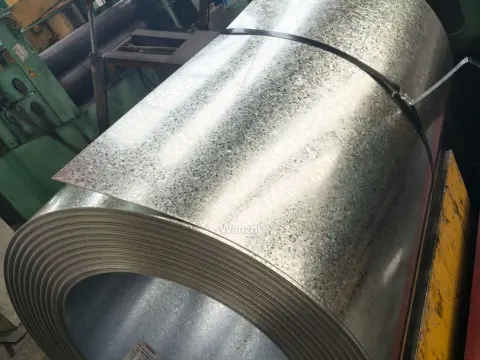
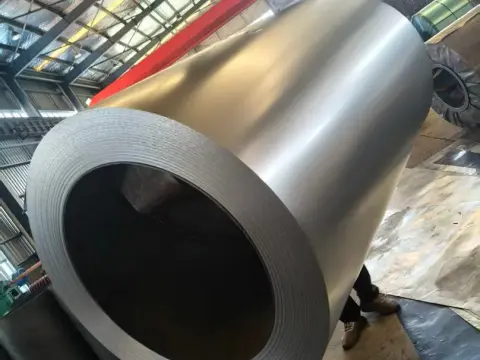
Galvanized coil is also known as pre-galvanized steel strip, with common substrate grades DX51D-DX54D. The steel strip is galvanized before leaving the factory. The melting point of zinc is only 419℃, while the instantaneous temperature during high-frequency welding or submerged arc welding for steel pipes can reach over 1000℃. If rolled and welded directly, the following problems will occur.
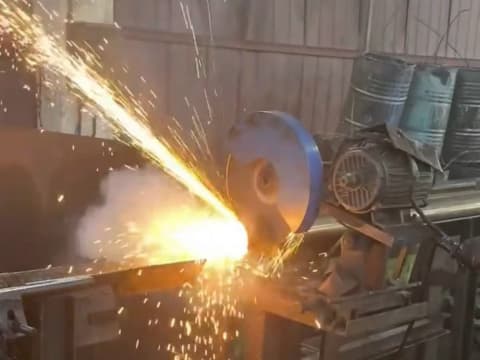
1.1 Burning loss of zinc coating on weld seams
High welding temperature makes metallic zinc evaporate rapidly and form zinc oxide fumes. The zinc coating on weld seams and adjacent heat-affected zones will be completely removed, exposing carbon steel substrate. Zinc vapor trapped inside welds will also degrade the mechanical properties of weld joints.
1.2 Difficulty in effective zinc replenishment for inner weld seams
Even if zinc-rich coating is sprayed to repair welds after welding, coating application on the pipe inner wall is hardly feasible. For fluid transmission and buried applications, rust will preferentially initiate on the inner wall.
1.3 Not approved by engineering specifications
Engineering specifications for pressure pipelines such as water supply & drainage generally do not accept pipes fabricated by directly rolling and welding pre-galvanized steel strip. Such pipes have short anti-corrosion service life and are only suitable for components with low pressure and non-critical anti-corrosion requirements.
Core conclusion: Since galvanized coil is pre-galvanized, welding will inevitably damage zinc protection at weld seams, making it impossible to produce qualified hot-dip galvanized pipe.
2. Manufacturing Process of Standard Hot-Dip Galvanized Steel Pipe
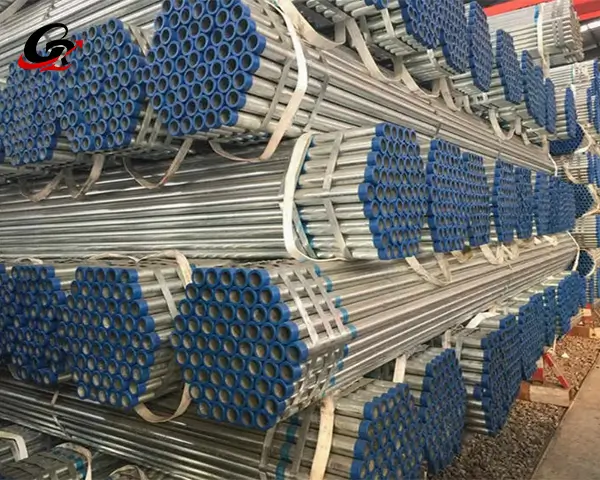
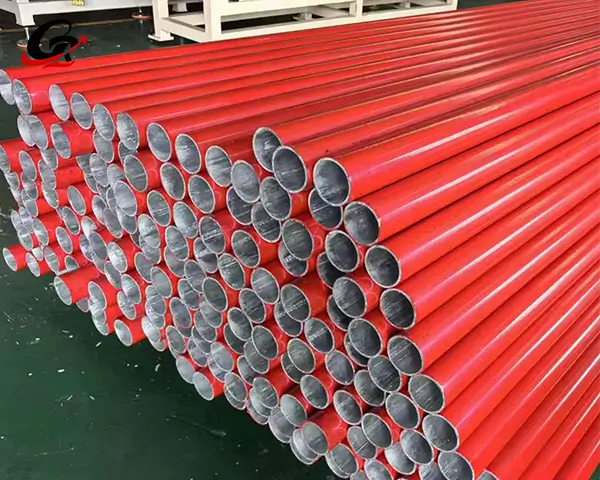
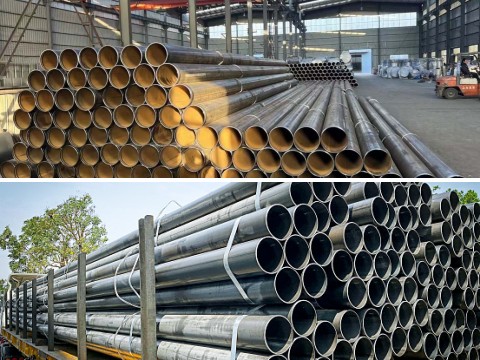
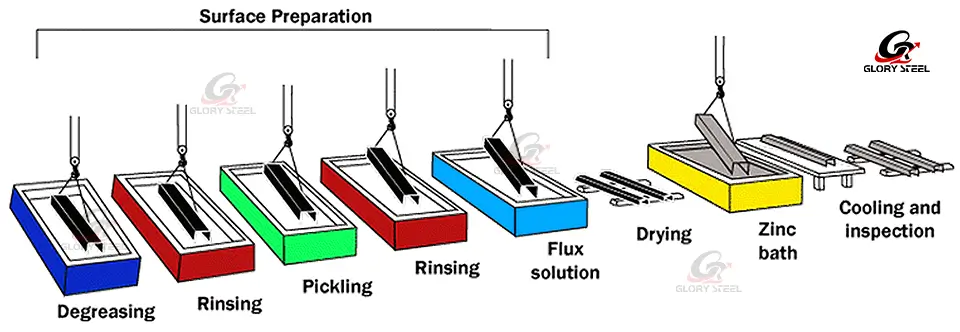
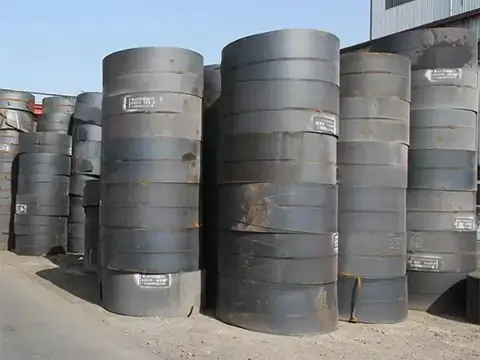
✅ Standard process sequence: Hot rolled black steel strip → Roll forming & pipe welding → Weld seam inspection → Hot dip galvanizing of the whole pipe → Finished galvanized steel pipe.
In this process, both weld seams and pipe base metal are immersed in the zinc bath together. The zinc coating thickness and corrosion resistance of weld seams are consistent with the pipe body, which is the hot-dip galvanized pipe complying with engineering standards.
Core conclusion: Standard galvanized pipe is always welded first, then galvanized, not galvanized first then welded.
3. Why can finished galvanized steel pipe be welded on construction sites?
Pipe welding in pipe mills VS on-site installation welding serve different purposes and require completely matched anti-corrosion procedures.
3.1 Scenario difference
- Pipe mill production: Welding is used to manufacture the pipe body. The weld seam is a permanent part of the pipe. For long-term buried service or medium contact, long-lasting full-length corrosion protection of the pipe is required.
- On construction site: Welding is only for joint connection between two sections of finished galvanized pipe, which belongs to pipe installation work.
3.2 Post-weld corrosion prevention and repair
Mandatory post-weld corrosion repair for site welding. During site welding, zinc coating at joints will also be burnt off by high temperature, so corrosion repair for weld joints must be carried out after welding.
Repair process
- Grind weld joints and completely remove welding slag and oxide scale;
- Apply high-zinc-content zinc-rich primer (zinc content in dry film ≥70%);
- After primer fully cures, apply matching sealing topcoat.
Engineering note:
The manually repaired on-site anti-corrosion coating cannot match original factory hot-dip galvanized coating in either adhesion or compactness.
Therefore, formal design drawings usually minimize on-site welded joints, and prefer threaded, grooved or flange connections.