The Schedule (abbreviated as Sch) designation is a standardized system for classifying pressure pipe wall thickness. In water supply pipe selection, Sch40 and Sch80 are the two most widely used grades. The core difference between them is wall thickness—which directly determines pressure capacity, pipe weight, and procurement cost.
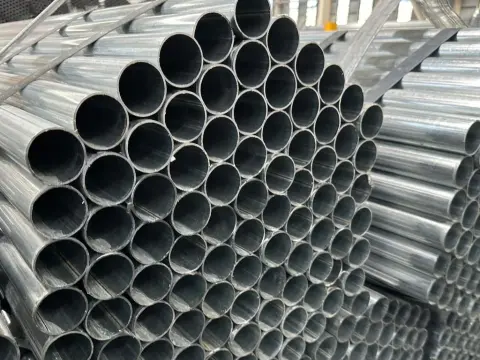
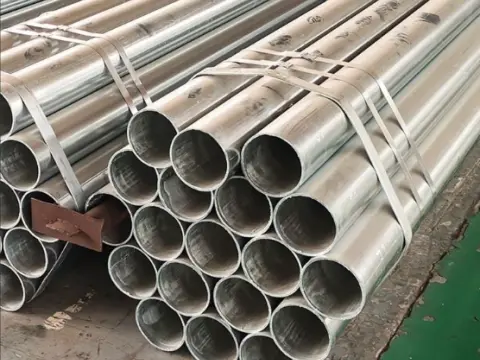
What is Pipe Schedule?
Pipe Schedule (commonly abbreviated as SCH) is a standardized pipe wall thickness classification system, defined by standards including ANSI/ASME B36.10M (carbon/alloy steel) and B36.19M (stainless steel).
The higher the number, the thicker the wall and the greater the pressure-bearing capacity.
Under older standards:
- Sch40 corresponds to “Standard Wall Thickness (STD)”.
- Sch80 corresponds to “Extra Strong (XS)”.
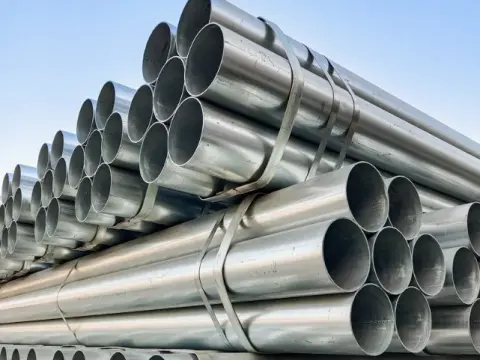
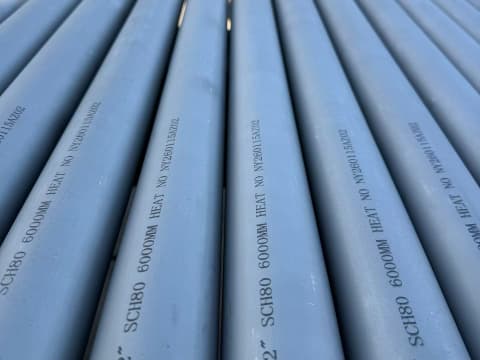
Key Differences Between Sch40 and Sch80
1. Wall Thickness
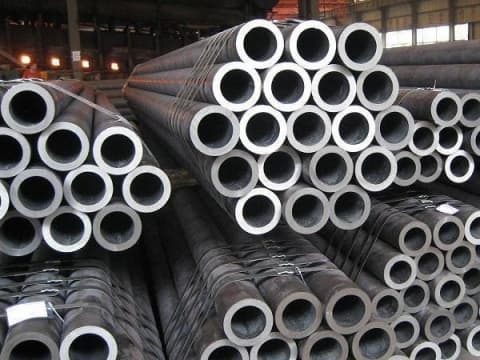
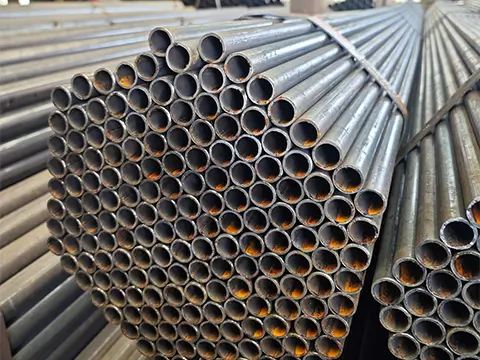
Under the same Nominal Pipe Size (NPS), Sch80 has a thicker wall; greater wall thickness means higher pressure capacity.
2. Pressure Rating
- Sch40: Standard pressure rating, suitable for the vast majority of conventional medium-to-low pressure water supply systems.
- Sch80: Higher pressure rating, can be used in pipelines with higher working pressures.
3. Inner Diameter
For the same nominal size, Sch80’s thicker wall reduces the internal bore, resulting in slightly lower flow capacity compared to Sch40.
4. Weight and Cost
Sch80 consumes more raw material, weighs more per unit length, and has a higher unit price than Sch40.
Key Comparison Table
| Parameter | Sch40 | Sch80 |
|---|---|---|
| Wall Thickness | Standard thickness | Thicker |
| Weight | Lighter | Heavier |
| Pressure Capacity | Medium-low pressure (typically <1.6MPa) | Medium-high pressure (significantly higher than Sch40) |
| Inner Diameter | Larger | Smaller |
| Cost | Lower | Higher |
| Threaded Connection | Standard thread strength | Can accommodate deeper, stronger threads |
Example: 2-inch (NPS 2) steel pipe:
- Sch40 wall thickness: 0.154 inches (approx. 3.91mm).
- Sch80 wall thickness: 0.218 inches (approx. 5.54mm).
Recommended Applications
✅ Prefer Sch40 When:
- General building water supply/drainage, municipal water transmission—medium-to-low pressure cold water applications.
- Budget-sensitive, large-volume conventional water projects.
- Guardrails, equipment supports, light-duty frameworks, scaffolding.
✅ Prefer Sch80 When:
- Medium-to-high working pressure water systems, such as high-pressure steam or boiler tubes.
- Buried installation, requiring resistance to soil pressure and vehicle loads.
- Corrosive environments or applications requiring a corrosion allowance.
- Projects with higher requirements for pipe durability and reliability.

Important Considerations
The Sch designation applies to various pipe materials, including carbon steel, stainless steel, and PVC. Before selection, always confirm the pipe material, medium temperature, and actual working pressure. As temperature rises, the allowable working pressures for both Sch40 and Sch80 pipes will decrease.
Water Supply Pipe Selection Recommendations
For conventional water supply projects (building domestic water supply, working pressure below 1.0MPa), Sch40 is typically sufficient. It costs less and has a larger internal diameter, meeting most everyday water supply needs.
Consider upgrading to Sch80 if the system involves:
- High-rise building water supply (pump room pressurization sections, risers)
- Industrial water or process piping
- Working pressure exceeding 1.0MPa
- Pipes exposed to vibration, significant temperature differentials, or corrosive environments

Summary
| Application Scenario | Recommendation |
|---|---|
| Conventional building water supply, drainage, low-pressure gas | Sch40 |
| High pressure, corrosive, vibrating environments, high-rise pressurization sections | Sch80 |
Core selection principle: Start with the system working pressure, then consider environmental conditions and budget.
If Sch40 can handle the pressure, choose it—don’t unnecessarily overspec. Sch80 can handle higher pressures, but be prepared for higher material and installation costs.
FAQs
Q1: Can Sch40 and Sch80 be directly connected and mixed?
A: Yes, with the same material and nominal bore, they can be connected. However, since their internal diameters differ, local flow resistance will occur. Long-distance mixed use should be avoided.
Q2: Is Sch80 necessarily more durable than Sch40?
A: Under the same material and environmental conditions, Sch80 has a greater wall thickness and higher safety margin. However, if the medium is highly corrosive, increasing wall thickness alone won’t solve the corrosion problem—a corrosion-resistant material grade should be selected instead.
Q3: What is the exact wall thickness difference between Sch40 and Sch80?
A: There is no fixed difference—it depends on the Nominal Pipe Size (NPS). For 2-inch pipe, the difference is 0.064 inches (approx. 1.63mm); larger pipe sizes have larger differences. Consult the ASME B36.10M standard wall thickness table for details.
Q4: Should fire protection water supply pipes use Sch40 or Sch80?
A: Fire protection systems have dedicated standards (e.g., ASTM A795), with wall thickness requirements that differ from ordinary water supply pipes. Selection should follow NFPA fire protection codes.
Q5: How much more expensive is Sch80 compared to Sch40?
A: There is no fixed percentage—it depends on pipe diameter, material, and market conditions. Generally, heavier wall thicknesses come with more significant price differences. Request a direct quote for accurate pricing.
Need Sch40 or Sch80 water supply pipes? Contact us for technical selection advice and the latest quotations.