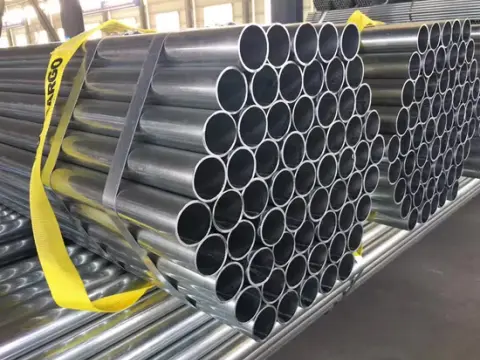
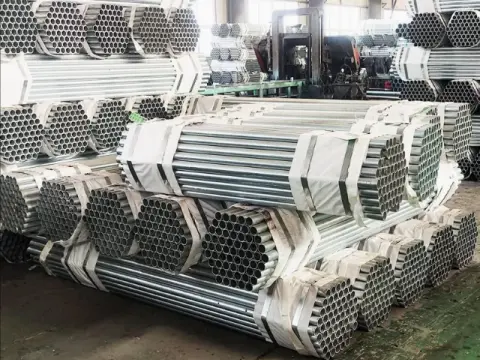
ASTM A53 and ASTM A106 are two of the most widely‑used carbon steel pipe standards for global industrial, municipal, and construction projects. Pipes under these two standards look similar, especially Grade B with nearly identical mechanical properties. However, they differ significantly in manufacturing scope, temperature suitability, and cost.
This article explains their core differences from production process, operating temperature, service condition, and cost perspectives.
Fundamental Differences Between the Two Standards
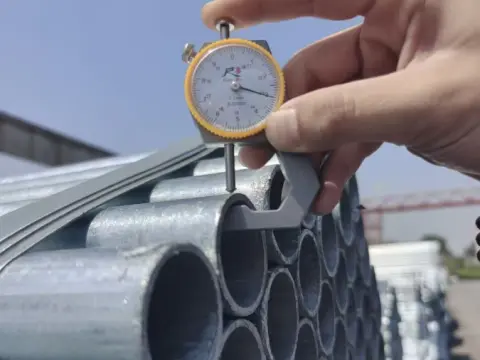
- ASTM A53: Standard Specification for Black and Hot‑Dipped Zinc‑Coated (Galvanized) Welded and Seamless Carbon‑Steel Pipe. It covers three manufacturing types: seamless (Type S), electric‑resistance‑welded (Type E), and furnace‑welded (Type F). It is intended for general mechanical and pressure applications, as well as ordinary pipelines for steam, water, gas, compressed air and other fluids.
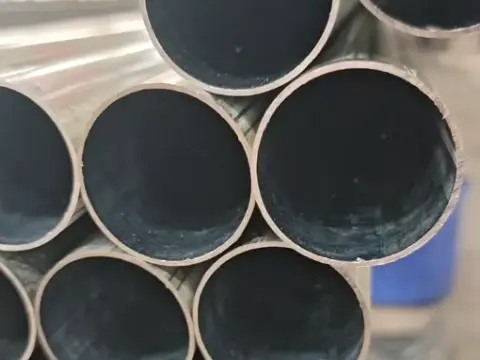
- ASTM A106: Standard Specification for Seamless Carbon Steel Pipe for High‑Temperature Service. Seamless pipe only. Designed specifically for high‑temperature service, it is widely used for process piping, steam lines and boiler tubes in refineries, petrochemical plants, and power stations.
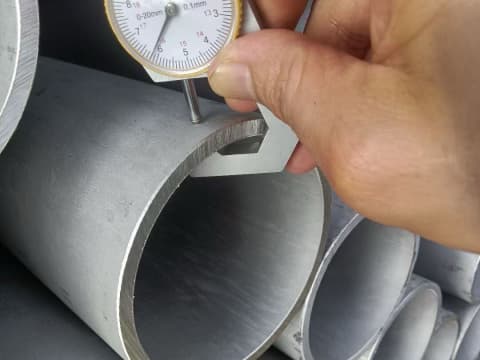
In short: A106 is dedicated to high‑temperature process piping; A53 is a general‑purpose multi‑service pipe.
What is ASTM A53 Steel Pipe?
ASTM A53 is a general‑purpose carbon steel pipe standard covering seamless pipe, ERW high‑frequency electric‑resistance‑welded pipe, and furnace‑welded pipe. Main grades are Grade A and Grade B; Grade B is selected for most commercial orders.
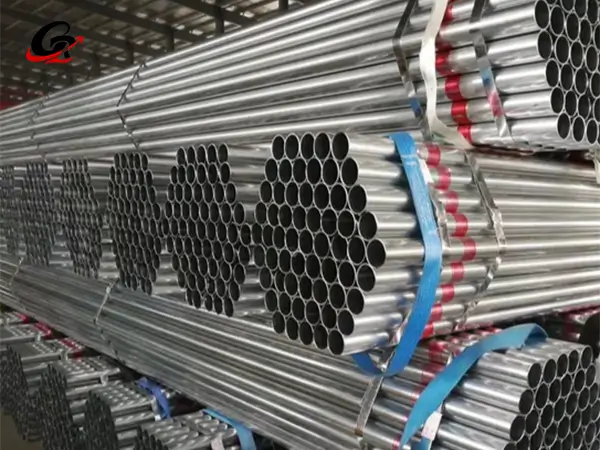
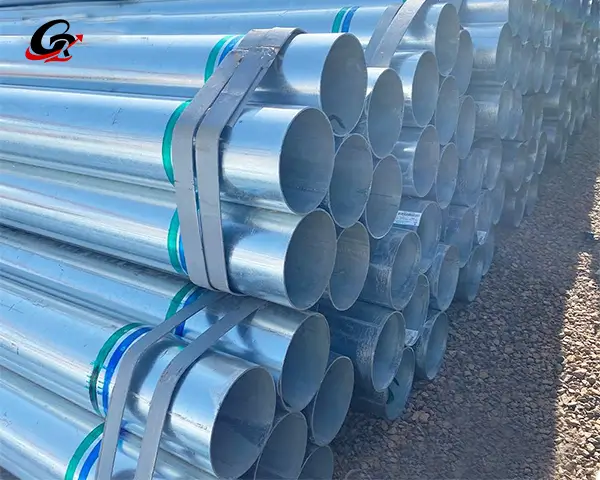
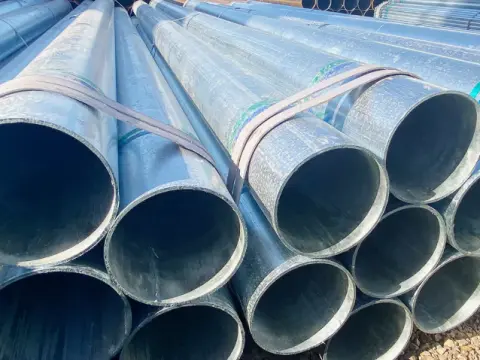
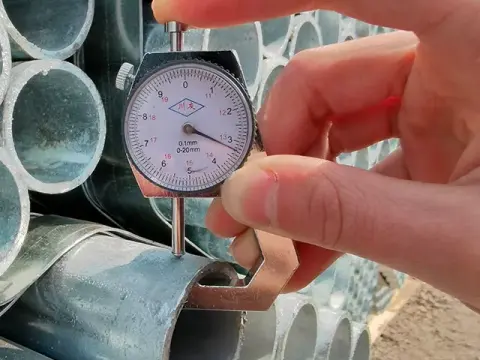
Key feature: Hot‑dip galvanizing for corrosion protection is permitted. Both black pipe and hot‑dipped galvanized finished pipes can be produced to ASTM A53.
Core Parameters & Service Conditions of ASTM A53
- Manufacturing types: ERW welded pipe / seamless pipe acceptable
- Galvanizing: ✅ Hot‑dip galvanizing available
- Continuous operating temperature: ≤260 °C recommended
- Common grades: Grade A, Grade B
- Cost profile: Cost‑effective; ERW‑A53 offers prominent price advantage
What is ASTM A106 Steel Pipe?
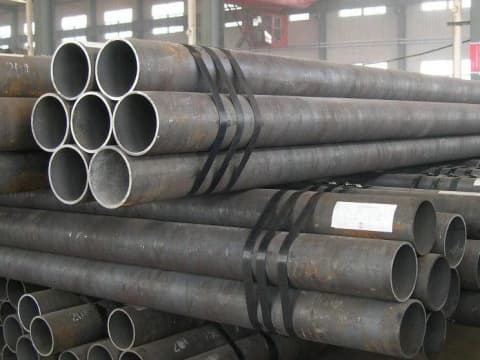
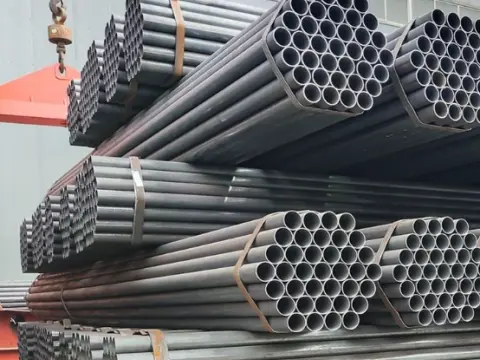
ASTM A106 is a seamless carbon steel pipe standard for high‑temperature service. Seamless pipe only; no welded products are included. It serves refineries, power‑plant boilers, and high‑temperature high‑pressure process‑fluid transportation. Grades include Grade A / B / C; A106 Grade B is the most common in the market.
Important note: ERW welded pipes are not recognized under ASTM A106. Marking a pipe as “A106 welded pipe” is non‑compliant with the standard.
Core Parameters & Service Conditions of ASTM A106
- Manufacturing types: Seamless pipe only, no welded pipe
- Galvanizing: Physically possible but strongly discouraged; zinc coating will fail and peel off at high temperatures
- Continuous operating temperature: Suitable for service at 425 °C and above
- Common grades: Grade A, Grade B, Grade C
- Cost profile: Higher than A53 due to higher production cost of seamless manufacturing
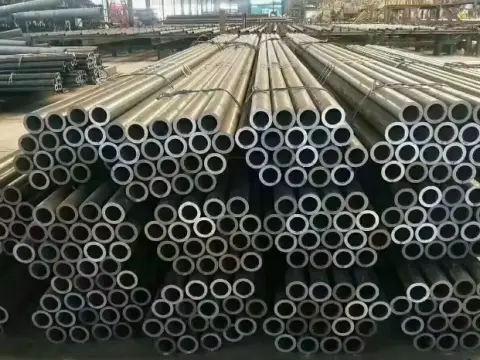
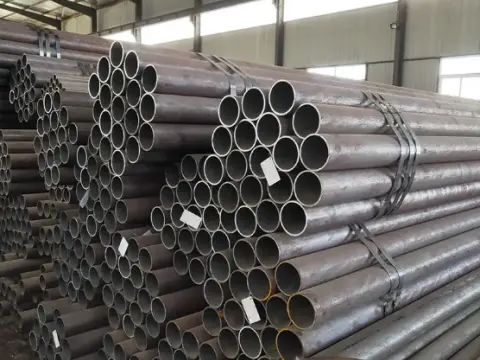
Application Comparison
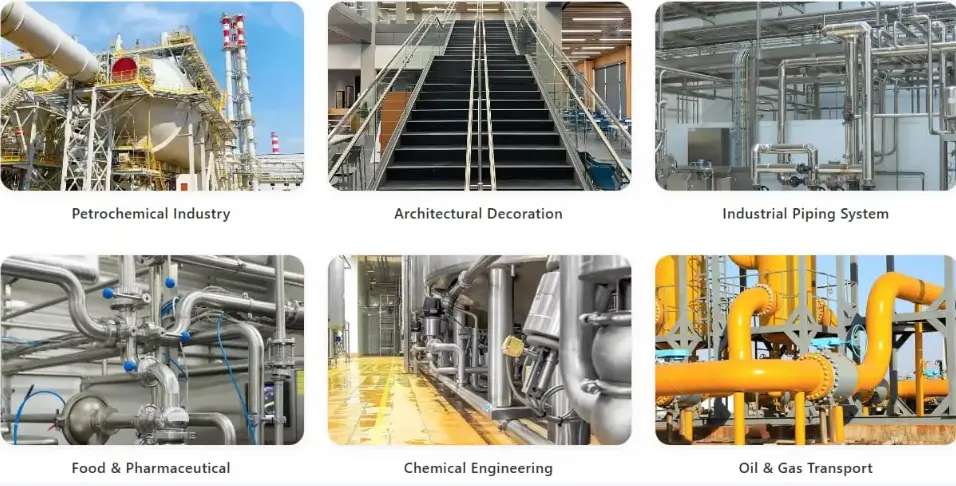
- ASTM A53 Applications: Municipal water supply, fire‑protection systems, irrigation networks, general process fluids, building plumbing, medium‑low‑pressure transmission pipelines.
- ASTM A106 Applications: Boiler piping, power‑plant superheaters, refinery process lines, high‑temperature high‑pressure steam pipelines, petrochemical high‑temperature fluid transportation.
ASTM A53 Grade B vs A106 Grade B Key Comparison
| Item | A53‑B | A106‑B |
|---|---|---|
| Manufacturing form | Seamless, ERW welded | Seamless only |
| Service temperature | ≤260 °C | High‑temperature service |
| Galvanizing treatment | Hot‑dip galvanizing allowed | Galvanizing not recommended |
| Typical service | Medium‑low‑pressure fluid transmission | High‑temperature high‑pressure process |
| Relative price | Lower | Higher |
| Yield strength | 240 MPa | 240 MPa |
| Tensile strength | 415 MPa | 415 MPa |
Summary: At Grade B level, A53‑B and A106‑B have identical yield and tensile strength values. For this reason some seamless pipes carry dual certification, with both A53 and A106 markings on the same piece.
Selection Guide: Which One Should You Pick?
✅ Choose ASTM A53 Grade B
Service at ambient or moderate‑low temperature; media including water, fire water, irrigation fluids; hot‑dip galvanizing corrosion protection required; medium‑low‑pressure service; project procurement cost control needed.
✅ Choose ASTM A106 Grade B
Media is high‑temperature steam or hot process fluid; service for boilers, thermal power plants, refineries, petrochemical units; project specification mandates seamless pipe; continuous operating temperature exceeds 260 °C.
Common Misconceptions
- Myth: A53‑B and A106‑B have similar mechanical properties and can be interchanged. Correction: Room‑temperature mechanical values are comparable, but high‑temperature performance differs. Using A53 pipe for high‑temperature boiler service creates serious safety hazards.
- Myth: A106 welded pipe is commercially available. Correction: ASTM A106 is defined for seamless pipe only. Welded pipe shall not bear A106 stamping. Using welded pipe in high‑temperature projects leads to non‑compliance.
- Myth: High‑temperature pipes can rely on galvanizing for corrosion resistance. Correction: Zinc coating has limited temperature resistance. High‑temperature piping relies on base‑material performance; galvanizing is not advised.
Final Note
If you are uncertain which pipe standard fits your project, the Glory Steel technical team can provide pipe‑selection advice and supporting quotations based on your actual operating‑condition parameters.