Pipe Schedule (abbreviated as Sch) is the core standard that defines pipe wall thickness, pressure‑bearing capacity, and service conditions. Is Schedule a wall‑thickness value or a pressure rating? How does it correspond to millimetre wall thickness?
Based on general ASTM pipe specifications, this article explains the differences, parameter features, application scenarios, and selection principles of the four mainstream Schedule grades in plain language.
1. What is Schedule (Sch)?
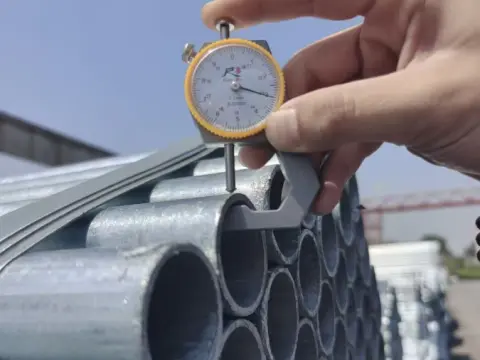
Schedule (Sch) is the wall‑thickness series designation under US standards, defined in ASME B36.10 (carbon steel pipe) and ASME B36.19 (stainless steel pipe). It is not a fixed wall‑thickness value, but a wall‑thickness grade code.
Key Points
- For the same Sch number, larger nominal pipe size means thicker wall thickness.
- For the same pipe size, higher Sch number means thicker wall thickness.
- At a given nominal size: as Sch value rises, wall thickness increases, inner diameter decreases, and pressure‑bearing rating goes up.
Other common grades include Sch5, Sch10, Sch30, Sch60, Sch120, SchXXS, etc.
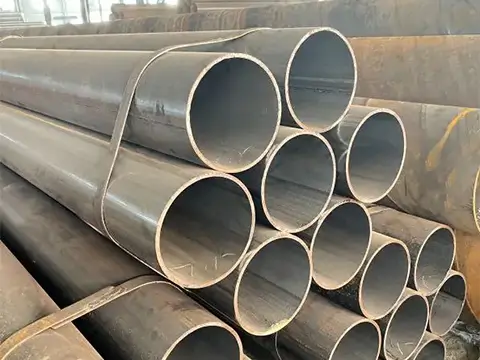
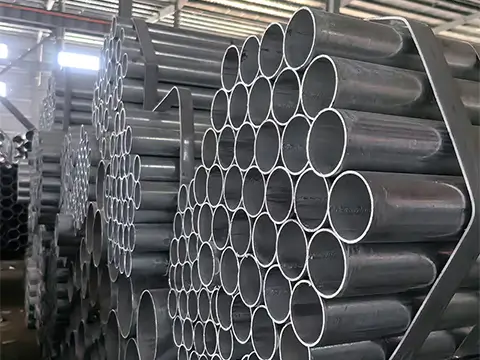
2. Sch20 / Sch40 / Sch80 / Sch160 Reference Table
The table below lists common dimensions for seamless & welded carbon steel pipe (unit: mm). Outside diameter complies with ASME B36.10.
| NPS | DN | OD | Sch20 Wall | Sch40 Wall | Sch80 Wall | Sch160 Wall |
|---|---|---|---|---|---|---|
| 1/2″ | 15 | 21.3 | — | 2.77 | 3.73 | 4.78 |
| 3/4″ | 20 | 26.7 | — | 2.87 | 3.91 | 5.56 |
| 1″ | 25 | 33.4 | — | 3.38 | 4.55 | 6.35 |
| 1‑1/4″ | 32 | 42.2 | — | 3.56 | 4.85 | 6.35 |
| 1‑1/2″ | 40 | 48.3 | — | 3.68 | 5.08 | 7.14 |
| 2″ | 50 | 60.3 | — | 3.91 | 5.54 | 8.74 |
| 2‑1/2″ | 65 | 73.0 | — | 5.16 | 7.01 | 9.53 |
| 3″ | 80 | 88.9 | — | 5.49 | 7.62 | 11.13 |
| 4″ | 100 | 114.3 | — | 6.02 | 8.56 | 13.49 |
| 5″ | 125 | 141.3 | — | 6.55 | 9.53 | 15.88 |
| 6″ | 150 | 168.3 | — | 7.11 | 10.97 | 18.26 |
| 8″ | 200 | 219.1 | 6.35 | 8.18 | 12.70 | 23.01 |
| 10″ | 250 | 273.1 | 6.35 | 9.27 | 15.09 | 28.58 |
| 12″ | 300 | 323.9 | 6.35 | 10.31 | 17.48 | 33.32 |
| 14″ | 350 | 355.6 | 7.92 | 11.13 | 19.05 | 35.71 |
| 16″ | 400 | 406.4 | 7.92 | 12.70 | 21.44 | 40.49 |
| 18″ | 450 | 457.2 | 7.92 | 14.27 | 23.83 | 45.24 |
| 20″ | 500 | 508.0 | 9.53 | 15.09 | 26.19 | 50.01 |
| 24″ | 600 | 609.6 | 9.53 | 17.48 | 30.96 | 59.54 |
Note: Small‑bore sizes (≤6″) generally have no Sch20. For certain Sch160 dimensions refer to the official ASME B36.10 standard text.
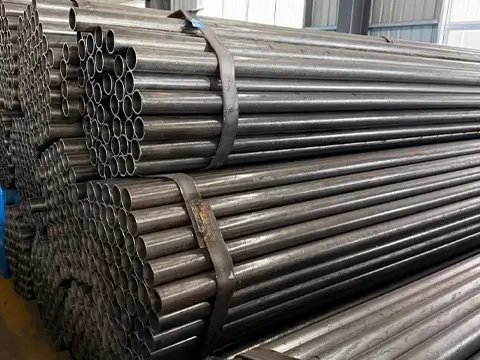
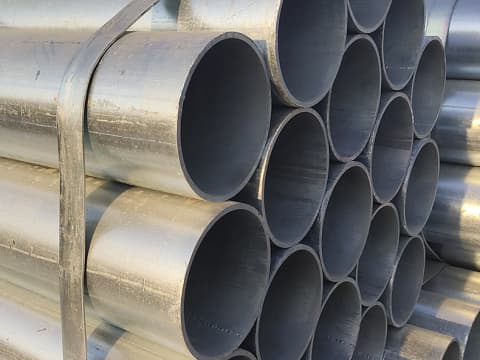
Comparison of Common Schedule Grades
| Schedule | Wall‑thickness Definition | Pressure Rating | Operating Temperature |
|---|---|---|---|
| Sch10 | Extra‑light wall | Low pressure | Ambient |
| Sch20 | Light‑weight wall | Low pressure | Ambient |
| Sch30 | Medium‑light wall | Low‑medium pressure | Ambient |
| Sch40 | Standard wall | Low‑medium pressure | Ambient/mild medium temperature |
| Sch60 | Medium‑heavy wall | Medium pressure | Medium temperature |
| Sch80 | Heavy wall | Medium‑high pressure | Medium temperature |
| Sch120 | Heavy‑duty thick wall | High pressure | High temperature |
| Sch160 | Extra‑heavy‑duty wall | Extra‑high pressure | High temperature |
SS Pipe: Sch5S / Sch10S / Sch40S / Sch80S Reference Table
| NPS | DN | OD | Sch5S | Sch10S | Sch40S | Sch80S |
|---|---|---|---|---|---|---|
| 1/8″ | 6 | 10.3 | 1.24 | 1.73 | 2.41 | 3.15 |
| 1/4″ | 8 | 13.7 | 1.24 | 1.73 | 2.41 | 3.02 |
| 3/8″ | 10 | 17.1 | 1.24 | 1.73 | 2.31 | 3.20 |
| 1/2″ | 15 | 21.3 | 1.65 | 2.11 | 2.77 | 3.73 |
| 3/4″ | 20 | 26.7 | 1.65 | 2.11 | 2.87 | 3.91 |
| 1″ | 25 | 33.4 | 1.65 | 2.77 | 3.38 | 4.55 |
| 1‑1/4″ | 32 | 42.2 | 1.65 | 2.77 | 3.56 | 4.85 |
| 1‑1/2″ | 40 | 48.3 | 1.65 | 2.77 | 3.68 | 5.08 |
| 2″ | 50 | 60.3 | 1.65 | 2.77 | 3.91 | 5.54 |
| 2‑1/2″ | 65 | 73.0 | 2.11 | 3.05 | 5.16 | 7.01 |
| 3″ | 80 | 88.9 | 2.11 | 3.05 | 5.49 | 7.62 |
| 4″ | 100 | 114.3 | 2.11 | 3.05 | 6.02 | 8.56 |
| 5″ | 125 | 141.3 | 2.77 | 3.40 | 6.55 | 9.53 |
| 6″ | 150 | 168.3 | 2.77 | 3.40 | 7.11 | 10.97 |
| 8″ | 200 | 219.1 | 2.77 | 3.76 | 8.18 | 12.70 |
| 10″ | 250 | 273.1 | 3.40 | 4.19 | 9.27 | 15.09 |
| 12″ | 300 | 323.9 | 3.96 | 4.57 | 10.31 | 17.48 |
| 14″ | 350 | 355.6 | 3.96 | 4.78 | 11.13 | 19.05 |
| 16″ | 400 | 406.4 | 4.19 | 4.78 | 12.70 | 21.44 |
| 18″ | 450 | 457.2 | 4.19 | 4.78 | 14.27 | 23.83 |
| 20″ | 500 | 508.0 | 4.78 | 5.54 | 15.09 | 26.19 |
| 24″ | 600 | 609.6 | 5.54 | 6.35 | 17.48 | 30.96 |
Key Differences: Carbon‑steel Sch vs Stainless‑steel SchS
For stainless steel pipe standards, an “S” suffix is added (Sch40S, Sch80S). “S” stands for Stainless, to distinguish from carbon‑steel pipe of the same Schedule number.
Main differences:
- Sch10S is thinner than carbon‑steel Sch10. E.g., for 2″ pipe: carbon steel Sch10 =3.91 mm; stainless Sch10S =2.77 mm.
- Some sizes share identical wall thickness between Sch40S and carbon‑steel Sch40, e.g., 2″ pipe at 3.91 mm. Divergence occurs from 3″ and above.
- Sch80S is generally thinner than carbon‑steel Sch80. Some sizes match (6″ pipe both 10.97 mm), while obvious gaps appear from 8″ upwards.
- Stainless steel pipe does NOT use Sch20, Sch30, Sch60, Sch120, Sch160 — these are carbon‑steel‑only grades. Stainless steel commonly uses Sch5S, Sch10S, Sch40S, Sch80S, plus heavier Sch160S or XXS.
3. How to convert Schedule number to millimetre wall thickness?
Many buyers quote wall thickness directly in millimetres, while foreign‑trade inquiries often provide only Schedule numbers. Follow this workflow:
- Confirm nominal pipe size (NPS or DN).
- Look up the matching wall thickness (mm) for that Schedule from above tables.
- For stainless steel pipe, refer to ASME B36.19; Sch40 / Sch80 wall values differ from carbon steel.
Examples
- 2″ Sch40 → OD 60.3 mm, wall 3.91 mm
- 6″ Sch80 → OD 168.3 mm, wall 10.97 mm
- 12″ Sch20 → OD 323.9 mm, wall 6.35 mm
4. Common Misconceptions
❌ Misconception 1:
“Sch40 equals 4 mm wall thickness.” False. Sch40 wall thickness varies drastically by size: 3.91 mm at 2″, up to 10.31 mm at 12″.
❌ Misconception 2:
“Higher Sch number always equals higher pressure rating.” Partially true. Higher Schedule gives thicker wall and generally higher pressure capacity, yet actual allowable pressure also depends on material, temperature and corrosion allowance.
❌ Misconception 3:
“Sch20 and Sch10 are similar.” They are distinct grades. Sch10 is thinner than Sch20. Small‑size pipes normally skip Sch20 and start directly at Sch40.
❌ Misconception 4:
“Schedule wall‑thickness values apply across all materials.” False. Carbon steel follows ASME B36.10; stainless steel follows ASME B36.19. Many sizes differ.
5. What information to confirm for pipe procurement?
Only stating “2 inch Sch40 pipe” is insufficient. For accurate supplier quotations, confirm:
- Material: carbon steel, galvanized, stainless steel?
- Standard: ASTM A106, API 5L, ASTM A53?
- Length: fixed 6 m or random lengths?
- Surface finish: black pipe, galvanized, 3PE‑coated?
- Quantity: in metres or pieces?
More complete specifications lead to precise quotations and predictable lead times.
6. Quick‑reference Rules
- Schedule is a grade designation, NOT a fixed wall‑thickness value.
- Same nominal size: higher Sch → thicker wall.
- Same Sch number: larger pipe size → thicker wall.
- Confirm nominal size first; look up wall‑thickness from standard tables.
7. Summary
- Sch10 / Sch20 / Sch30: low‑pressure civil‑use and large‑bore low‑pressure pipelines.
- Sch40: globally‑adopted standard wall grade.
- Sch60 / Sch80: general‑industry medium‑pressure and medium‑high‑pressure applications.
- Sch120 / Sch160: heavy‑duty projects for high‑temperature and high‑pressure service.
Select wall thickness according to process media, working pressure and temperature. Balancing safety and procurement cost is critical for pipe foreign‑trade work and engineering design.