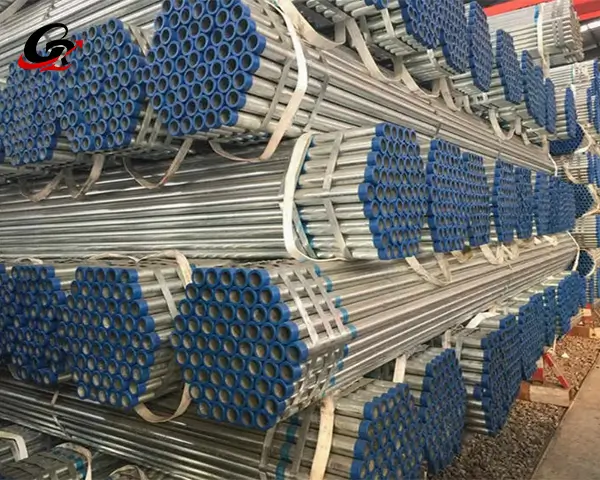
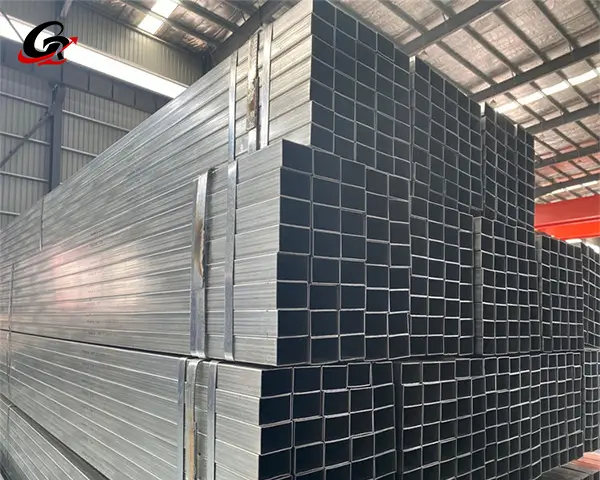
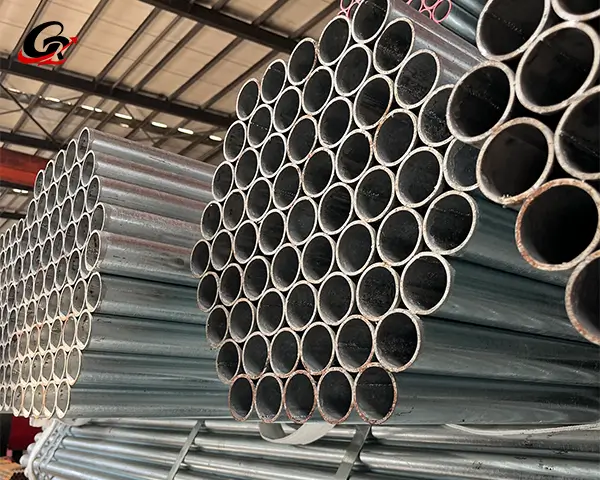
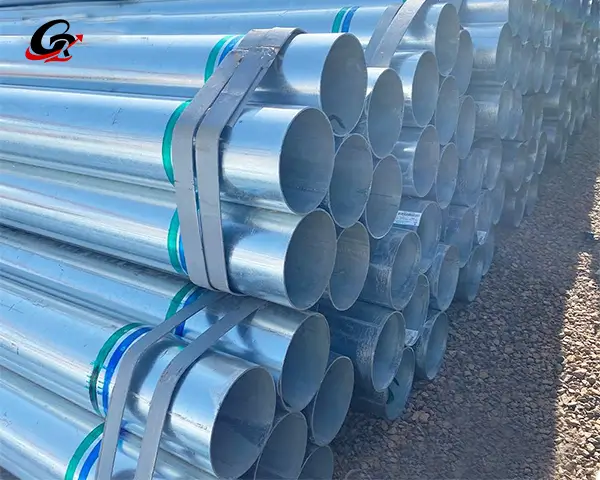
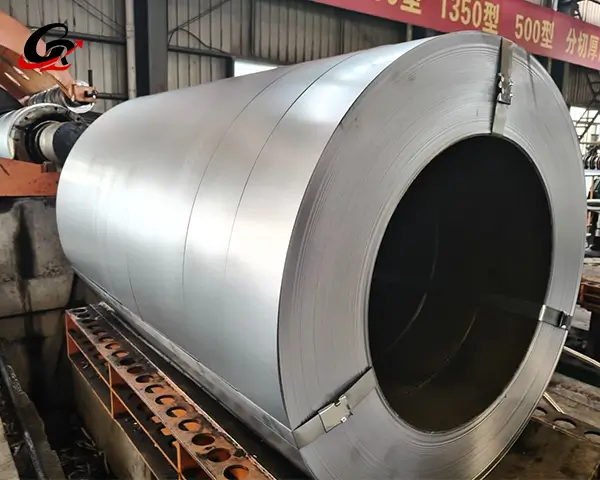
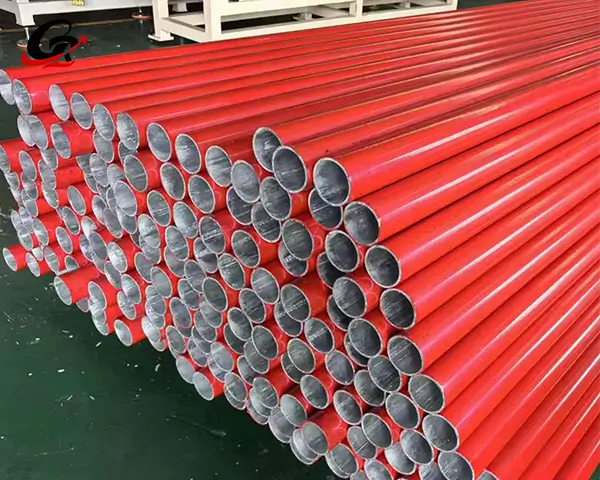
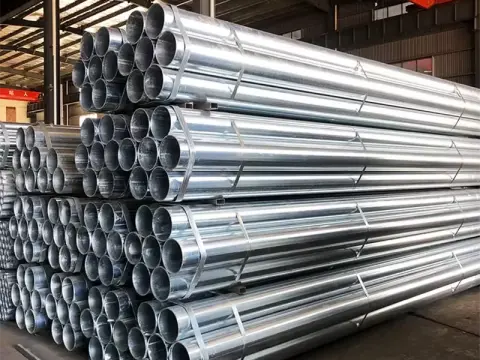
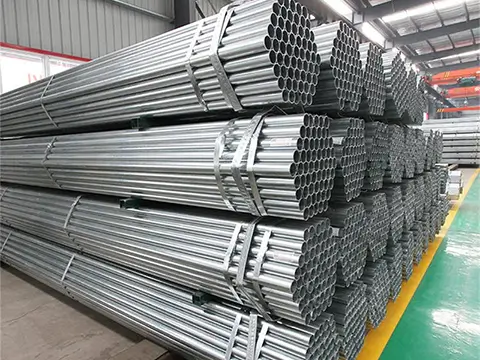
Galvanized steel pipe is a widely used carbon anti-corrosion pipe in the engineering sector. It is extensively applied in water supply & drainage, fire protection, municipal works, steel structures, and other projects. Many overseas engineering buyers frequently inquire about specifications and selection guidelines for GI galvanized pipes. Glory Steel has compiled this informative article to help you gain a comprehensive understanding of galvanized steel pipes.
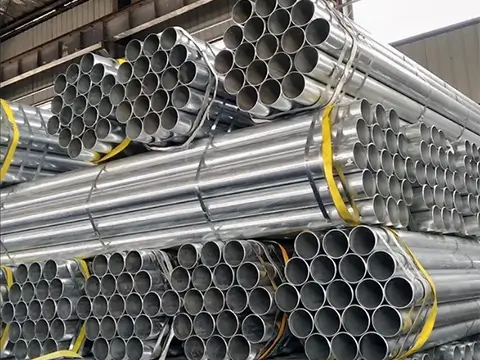
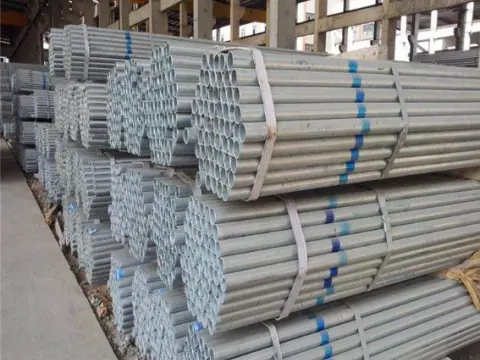
1. Why Are Steel Pipes Galvanized?
Ordinary carbon steel is prone to oxidation and rust when exposed to air, moist soil, or water. Pipe corrosion will not only reduce structural strength, but also lead to water leakage and pipe bursts, greatly shortening service life and bringing high subsequent maintenance and replacement costs. The zinc coating provides dual protective functions:
- Physical barrier: The intact zinc layer isolates moisture, oxygen, acid, and alkaline media to protect the internal steel substrate;
- Sacrificial anode protection: Even if the zinc layer is scratched and damaged, zinc will corrode preferentially to keep the steel substrate from rusting. Therefore, galvanization is a cost-effective metal anti-corrosion solution and a standard requirement for many outdoor and buried pipelines.
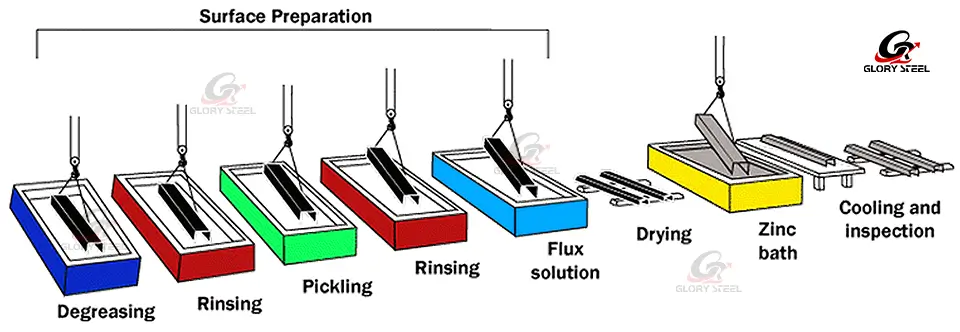
2. Production Process of Galvanized Steel Pipe
There are two main types in the industry: Hot-Dip Galvanized (HDG, mainstream for engineering) and Electro-Galvanized (Cold Galvanized), with obvious gaps in corrosion resistance:
- Hot-Dip Galvanized Process flow: Steel pipe inspection → Degreasing → Pickling & rust removal → Rinsing → Flux coating and drying → Immersion in molten zinc at around 450℃ → Cooling → Passivation → Finished product inspection.
- Metallurgical bonding occurs between the steel substrate and zinc to form a zinc-iron alloy layer with strong adhesion and sufficient thickness for long-term corrosion resistance.
- Electro-Galvanized (Cold Galvanized): It is processed by electrolysis at room temperature, where zinc ions deposit on the steel pipe surface to form a thin zinc layer.
- The surface is smooth and attractive, yet the coating is thin with weak anti-corrosion performance. It is generally used in dry environments and not recommended for water supply & drainage, fire protection, or buried projects.
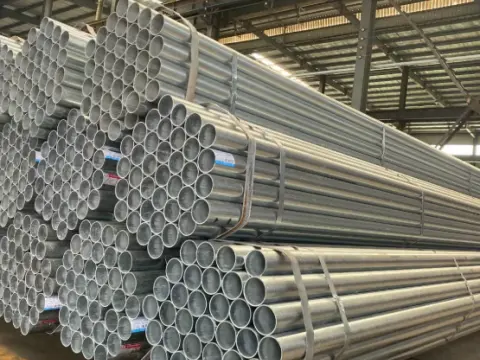
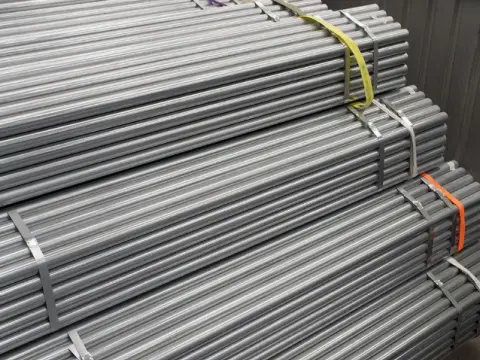
3. Base Materials of Galvanized Steel Pipe
Galvanized steel pipes are mainly made of carbon steel substrates, which fall into two primary categories:
- ERW (Electric Resistance Welded) Pipe: Manufactured by rolling and welding low-carbon hot-rolled steel strips. Common grades include Q235B, S235JR, and ASTM A53 Gr.B. It features high output and good cost performance, serving as the most widely used substrate on the market;
- Seamless Steel Pipe: Produced by piercing and hot rolling solid steel billets. The typical grade is A106 Gr.B. It delivers higher overall pressure resistance and is mostly used for high-pressure working conditions.
The mainstream substrate of common galvanized pipes in the market is medium & small diameter ERW electric resistance welded pipe, followed by small-diameter seamless pipe.
Although LSAW (Longitudinal Submerged Arc Welded) and SSAW (Spiral Submerged Arc Welded) pipes can be hot-dip galvanized, galvanization is not the recommended anti-corrosion method for them. Their substrates are large-diameter carbon submerged arc welded pipes.
For large-diameter submerged arc welded pipes, conventional anti-corrosion options are 3PE, FBE fusion bonded epoxy, coal tar epoxy, and other heavy-duty coating systems instead of galvanizing.
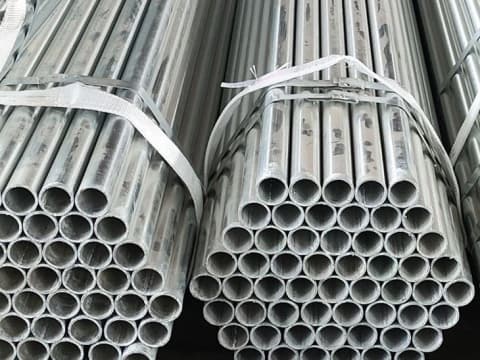
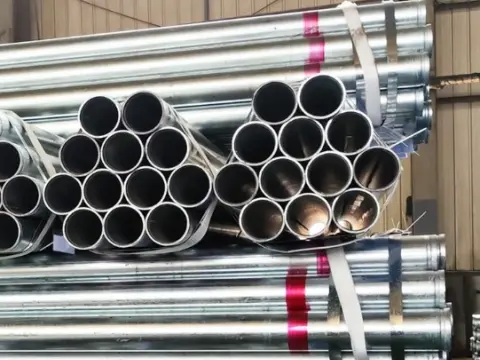
Quick Reference
- ERW galvanized pipe: General-purpose, abundant stock, standard choice for building fire protection/water supply & drainage.
- LSAW/SSAW black pipe + 3PE/FBE: For large-diameter municipal projects, long-distance water transmission, and pile foundation.
- LSAW/SSAW galvanized pipe: Non-standard special product.
4. Standard Size Specifications
Most commercial galvanized pipes adopt SCH40 wall thickness as per American standards. Regular supply covers 1/2″~24″, available with ERW welded and seamless substrates. Custom cutting of lengths is supported.
| Nominal DN | Inch Size | Outer Diameter (mm) | SCH40 Standard Wall Thickness (mm) |
|---|---|---|---|
| DN15 | 1/2″ | 21.3 | 2.77 |
| DN20 | 3/4″ | 26.9 | 2.87 |
| DN25 | 1″ | 33.7 | 3.38 |
| DN32 | 1 1/4″ | 42.4 | 3.56 |
| DN40 | 1 1/2″ | 48.3 | 3.68 |
| DN50 | 2″ | 60.3 | 3.91 |
| DN80 | 3″ | 88.9 | 4.00 |
| DN100 | 4″ | 114.3 | 4.00 |
| DN150 | 6″ | 168.3 | 4.50 |
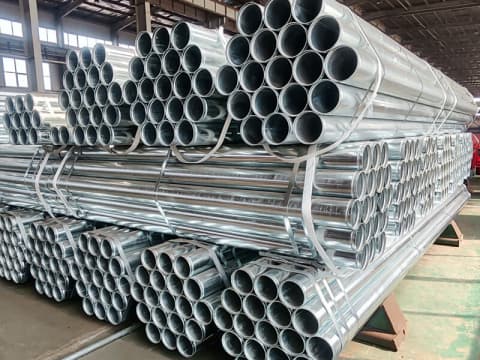
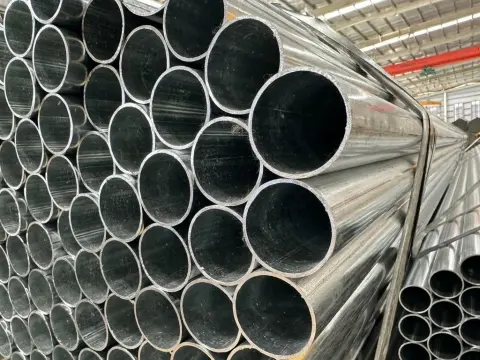
5. Classification of Galvanized Steel Pipe
Hot-Dip Galvanized Steel Pipe (HDG)
✅ Advantages: Thick zinc coating, long anti-corrosion service life (20–50 years for outdoor and buried environments), universal engineering grade.
Electro-Galvanized Steel Pipe (Cold Galvanized)
✅ Advantages: Smooth bright surface, lower processing cost ⚠️ Limitations: Thin coating and poor corrosion resistance.
6. Main Application Scenarios
- Fire sprinkler and water supply systems for commercial & residential buildings.
- Municipal water delivery, sewage and low-pressure gas pipelines.
- Agricultural irrigation, greenhouse water transmission and water pumping pipelines.
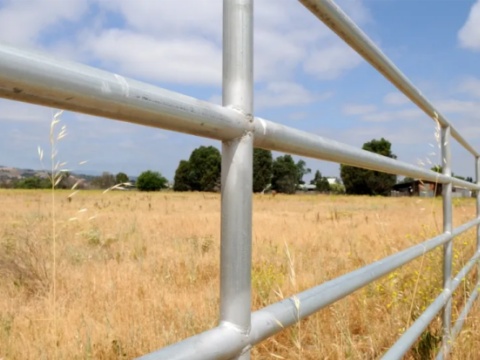
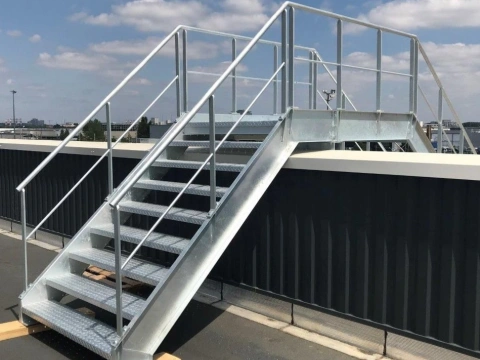
- Steel structure frames, traffic sign poles, handrails and guardrails.
- Conveyance of clean water and wastewater in general industrial facilities.
7. FAQs
Q1: What is the core difference between galvanized steel pipe and black steel pipe?
A: Black steel pipe has no anti-corrosion coating and rusts easily. Galvanized steel pipe is protected by a metallic zinc layer, adapting to humid, outdoor and buried working conditions with longer service life.
Q2: Can electro-galvanized steel pipe be used for fire protection projects?
A: Most international engineering codes require hot-dip galvanized steel pipe for fire pipelines. Cold galvanized pipe cannot meet the long-term anti-corrosion standard for fire projects and is not recommended.
Q3: Can galvanized steel pipe be threaded or grooved?
A: Hot-dip galvanized pipe supports custom processing including fixed-length cutting, threading and grooving. Glory Steel can provide matching processing, MTC material test certificates and third-party inspection reports from SGS/BV.
Summary
With stable pressure bearing capacity, excellent rust resistance, and mature matching fittings, hot-dip galvanized steel pipe is a highly cost-effective pipe for fluid transmission and structural applications in global engineering projects.
If you are interested in GI galvanized pipes, feel free to contact Glory Steel for more!