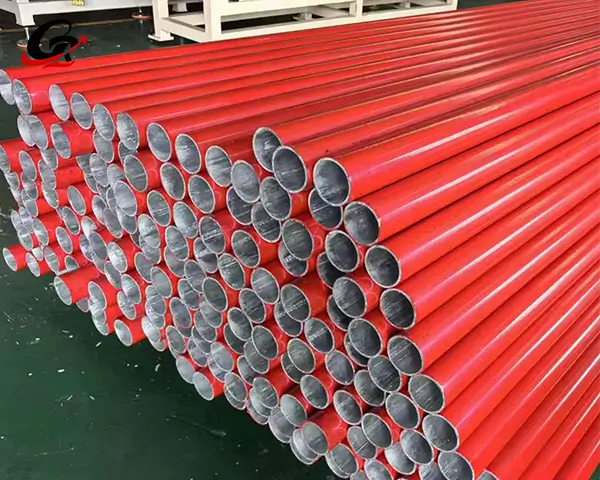
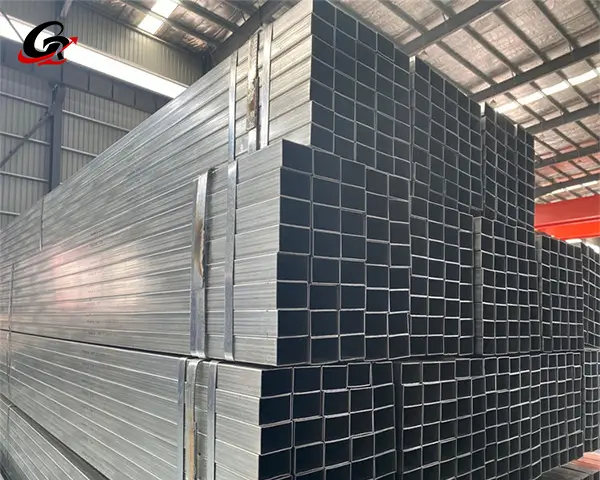
ERW Steel Pipe, full name Electric Resistance Welding Steel Pipe, is also called straight seam resistance welded pipe or high-frequency resistance welded pipe. It is currently the most widely used steel pipe with a straight longitudinal weld.
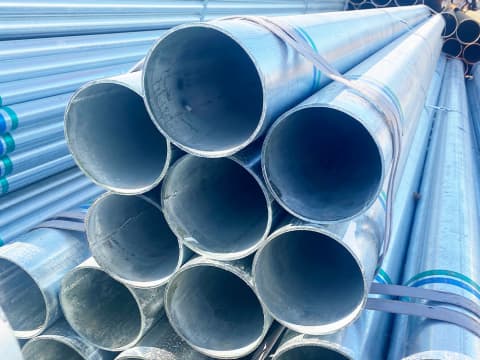
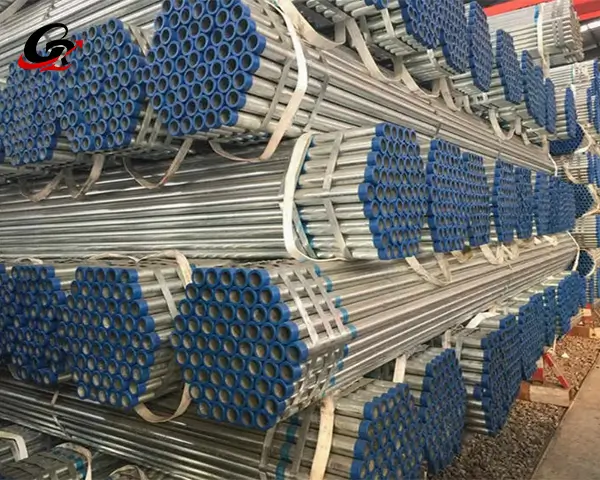
The basic grade is carbon steel ERW pipe. We can also produce five major series of welded pipes: carbon steel, hot-dip galvanized, ZAM zinc-aluminum-magnesium coated, stainless steel, and aluminum alloy.
Its most notable features are: straight and flat weld seam, cost-effective, and high production efficiency.
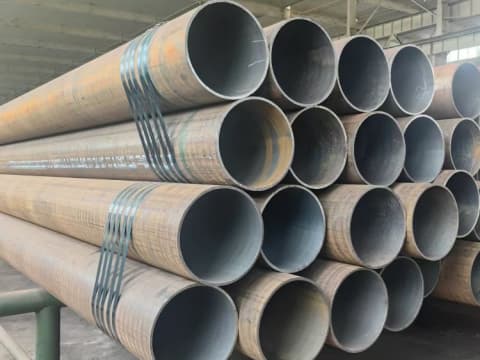
Performance Characteristics
1. High production efficiency
Unlike seamless pipes, ERW pipes can be produced quickly and in large volumes. The process is relatively simple and the price is lower, making it a widely preferred choice.
2. Wide diameter range
It can produce pipes from small to medium diameters, with easier wall thickness control, higher precision, and better straightness.
3. No filler metal in welding
The process does not require welding wire or flux. The pipe is formed by closing the edge of an open coiled steel strip through edge melting, ensuring high purity of the weld.
For small to medium diameter applications, ERW pipe is the most cost-effective option. If you require larger diameters, we recommend LSAW or SSAW (spiral welded pipe).
Main Applications
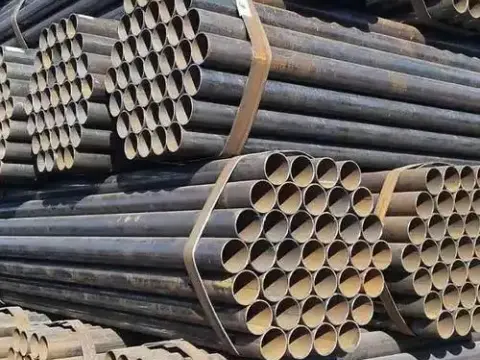
- Oil & Gas Transmission: Medium-to-low-pressure natural gas and crude oil branch pipelines.
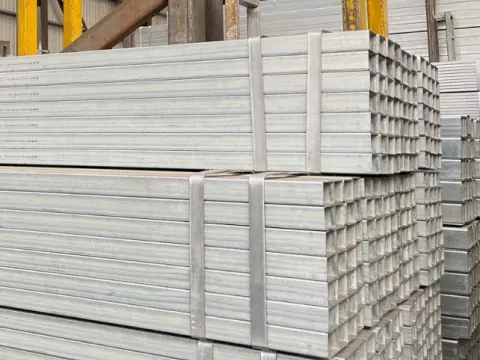
- Structural Support: Factory frames, food truck frame pipes, steel structure building supports.
- Low-Pressure Fluids: Civil water supply, compressed gas transmission pipes.
- Mechanical Manufacturing: Agricultural machinery, mining machinery, structural frames.
- Electrical Conduit: Wire and cable protective conduits, used with elbows and fittings.
Production Process and Weld Advantages
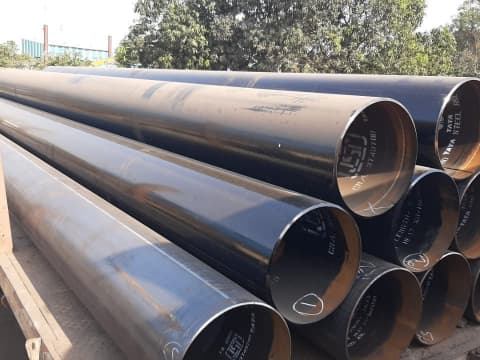
ERW Pipe Production Process
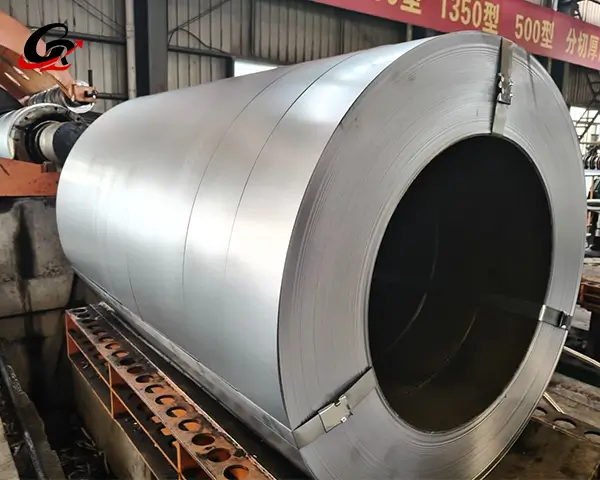
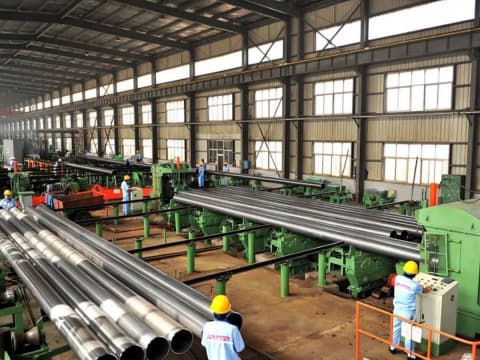
The Hot-rolled steel coil is uncoiled, leveled, and slitted into narrow strips. The narrow strip enters a continuous arrangement of forming roller stands. After 10 to 16 passes, it is gradually bent at room temperature into an open round pipe, forming a “V”-shaped opening ready for welding.
Core process: High-frequency welding. The open pipe enters the high-frequency welding section, where high-frequency current (100~500kHz) rapidly heats the strip edges through the skin effect and proximity effect. The squeeze rolls then apply pressure, causing the molten edges to metallurgically bond and form the weld seam.
Weld seam treatment is performed afterward. Weld seam heat treatment is a key step in this stage. This process is still carried out at high temperatures, and after this stage, the welded pipe gains greater toughness.
Weld Advantages
Weld strength factor up to 1.0
This ensures that the strength of the weld zone meets the requirements for medium-to-high pressure pipelines (4~12MPa), with virtually no difference from the base metal strength.
Controllable internal flash
The ERW process is equipped with an internal flash removal device. For fluid transmission applications, the inner wall can achieve a “seamless-like” smooth surface.
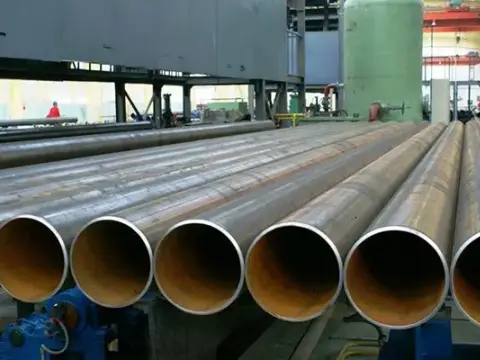
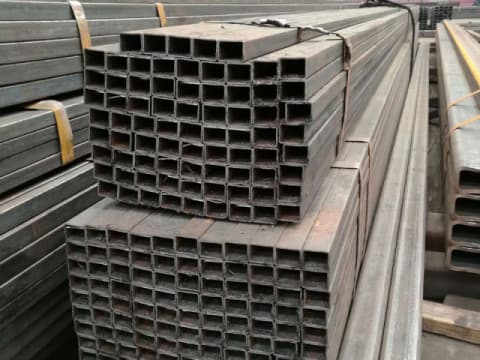
ERW Pipe Specifications Range
| Parameter | Range |
|---|---|
| Outer Diameter (OD) | 21.3mm ~ 660mm (NPS 1/2″ ~ 24″) |
| Wall Thickness (WT) | 1.0mm ~ 20mm (commonly SCH10 ~ SCH80) |
| Length | Fixed lengths of 5.8m / 6m / 11.8m / 12m, or Single Random Length (SRL) and Double Random Length (DRL) |
Applicable Standards and Common Material Grades
| Standard | Common Grades |
|---|---|
| API 5L | Gr.B, X42, X46, X52, X56, X60, X65, X70 (PSL1 / PSL2) |
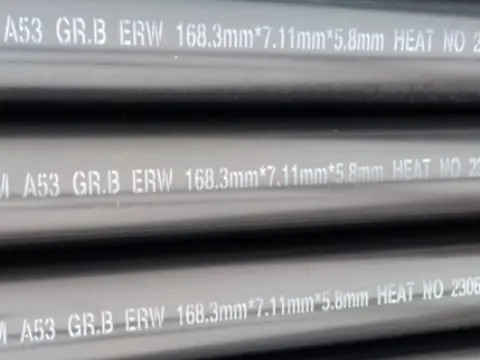
| ASTM A53 | Gr.A, Gr.B (Type E) |
| ASTM A500 / A513 | Structural / Mechanical Tubing |
| EN 10219 / EN 10217 | S235, S275, S355JRH, S355J2H, etc. |
| GB/T 9711.1 | L175, L210, L245, L320, L360 ~ L555 |
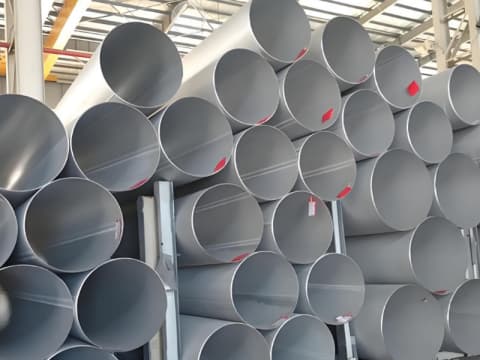
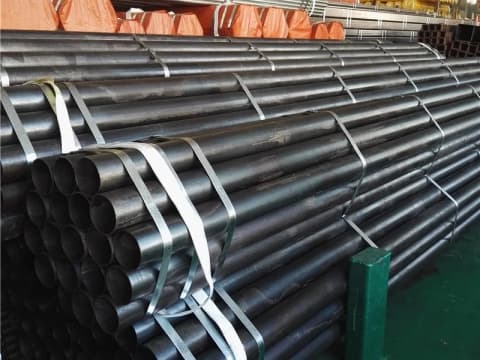
Hot-dip galvanized (GI) pipe base materials: DX51D+Z, DX52D+Z, DX53D+Z, SGCC.
ZAM zinc-aluminum-magnesium coated pipe base materials: DX51D+ZM, DX52D+ZM, DX53D+ZM, S250GD+ZM, S350GD+ZM, S550GD+ZM.
Aluminum alloy pipe base materials: 1100, 3003, 4343, 5052, 5083, 6061.
Supply and Supporting Services
Glory Steel specializes in all specifications of ERW steel pipes, covering all the standards and materials listed above. We support customized length, wall thickness, hot-dip galvanizing, ZAM coating, and anti-corrosion coating treatments.