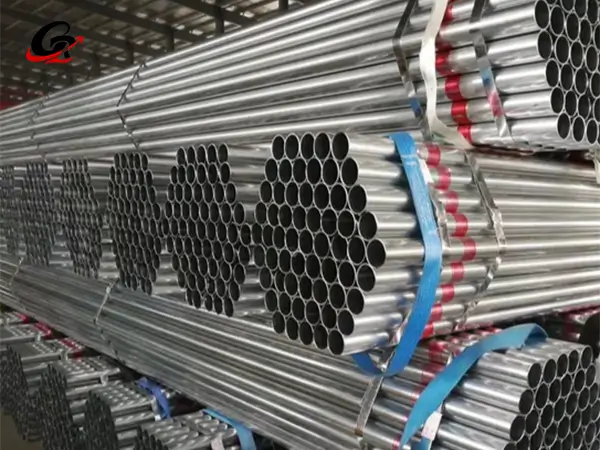
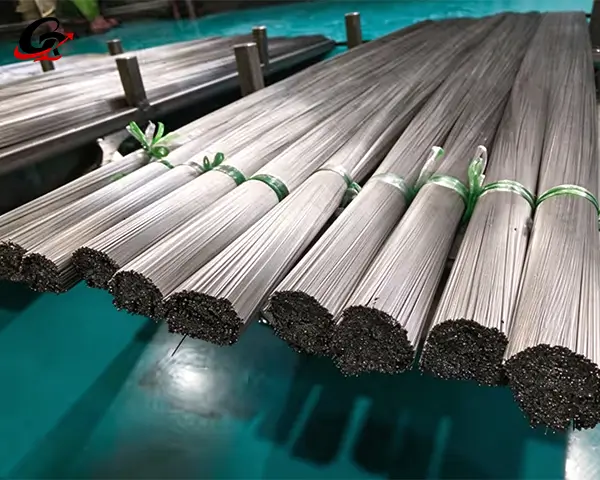
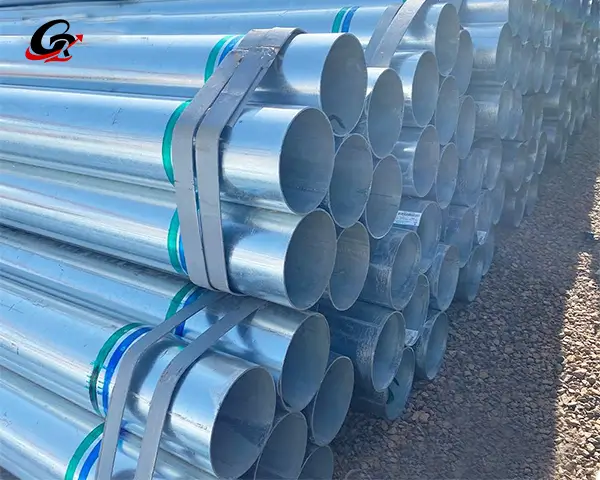
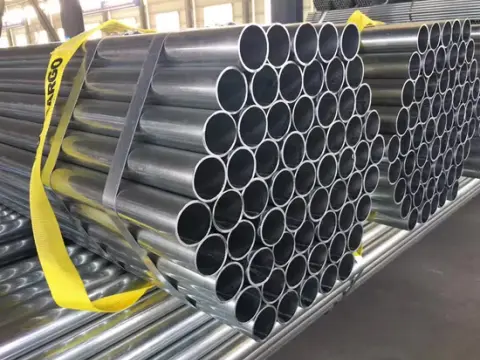
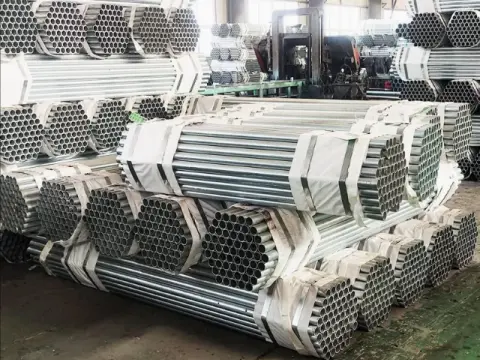
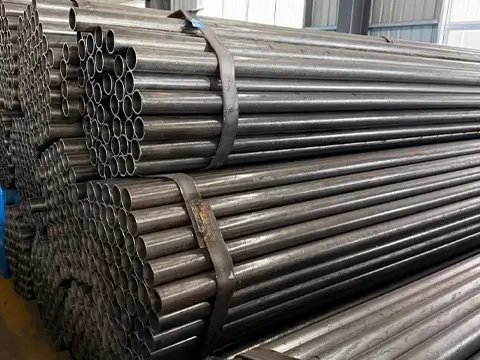
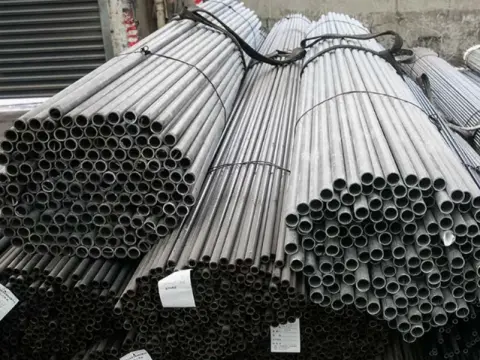
Cold-drawn tube is manufactured by progressively drawing hot‑rolled pipe to reduce the diameter at ambient temperature. It is a product of metal cold‑working. There are two categories: cold-drawn welded pipe (CDW tube) and cold-drawn seamless pipe (CDS tube).
Steel pipes produced by this process have a wide range of cross-sectional shapes and high precision due to plastic forming at room temperature.
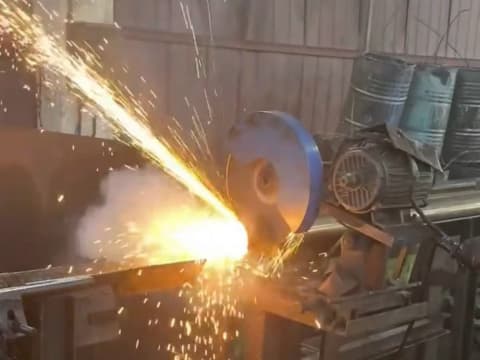
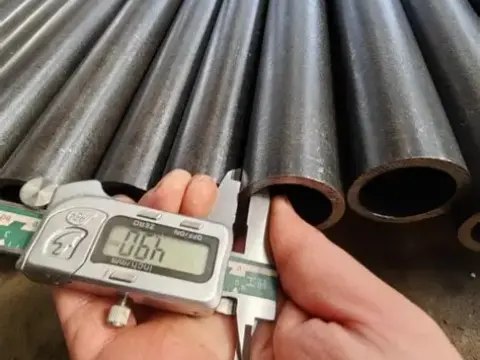
Note:
Cold drawing is a process name, not a material name. This article mainly focuses on carbon steel pipes, but stainless steel pipes, aluminum pipes, and ZAM pipes can also be produced using this process. In fact, the application of cold drawing is not limited to pipes—cold-drawn wires, cold-drawn bars, and cold-drawn profiles are also common industrial products.
What does “Cold” Mean in Cold‑Drawn Pipe?
Why is the “Cold” Process Critical?
Cold drawing takes place at room temperature. Metal undergoes work hardening during deformation, and its strength increases accordingly. Hot rolling softens metal under high temperature, and the finished pipe keeps the original strength level.
Cold‑drawing makes the metal harder as it is drawn, resulting in denser internal microstructure.
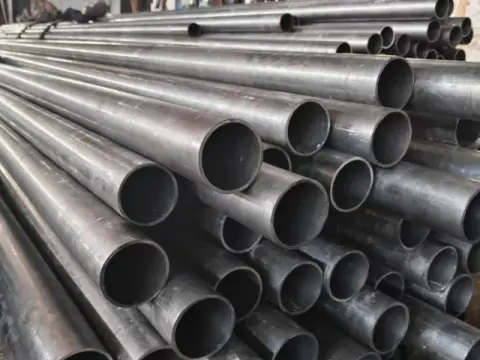
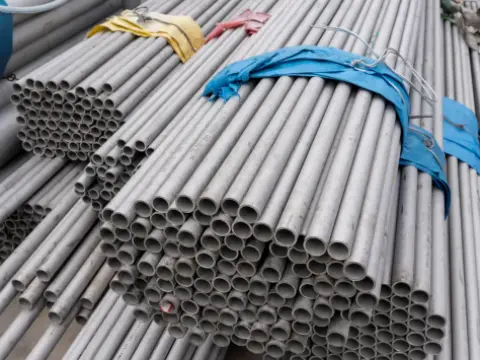
Applications of cold drawn steel tube
- Hydraulics and Pneumatics: The inner bore has high roundness (≤ 0.01 mm) and smoothness, reducing friction as the piston reciprocates within the cylinder.
- Mechanical Manufacturing: Cold-drawn steel tubing is widely used in machine tool spindles, drive shafts, and bearing rings. Uniform wall thickness ensures efficient subsequent turning processes.
- Automotive Industry: Used in automotive shock absorbers, steering column tubes, and drive shaft tubes. Dimensional consistency (tolerance ≤ H8) reduces assembly deviations and improves efficiency.
- Petroleum and Chemical Industry: It can withstand high pressure and does not leak in drill pipes, tubing, and delivery pipelines, making it safer.
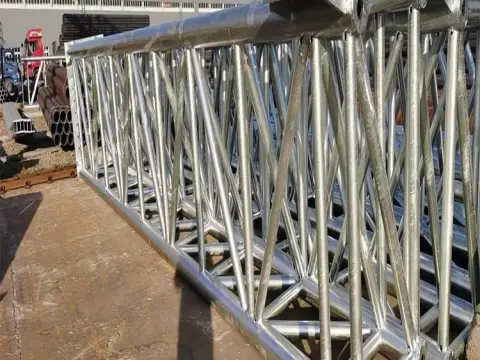
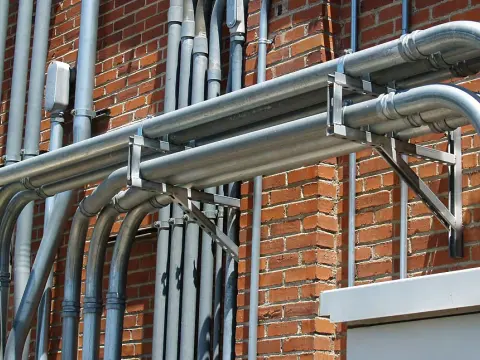
Cold Drawn steel tube sizes
It covers a wider size range than hot‑rolled pipes and can produce smaller and finer carbon steel tubes.
| CDS steel tube sizes | CDW steel tube sizes | |
|---|---|---|
| Outer Diameter | 6mm ~ 325mm | 6mm ~ 180mm |
| Wall Thickness | 0.25mm ~ 40mm | 0.7mm ~ 12mm (Mainly thin-walled) |
The size range of CDW is narrower than that of CDS, mainly in the following aspects:
- The maximum outer diameter is smaller (limited by the size of the ERW welded pipe substrate, usually not exceeding 180mm).
- The lower limit of wall thickness is slightly higher (welding is difficult when the wall thickness is too thin, and the weld quality is difficult to guarantee after cold drawing).
Available cross‑sections:
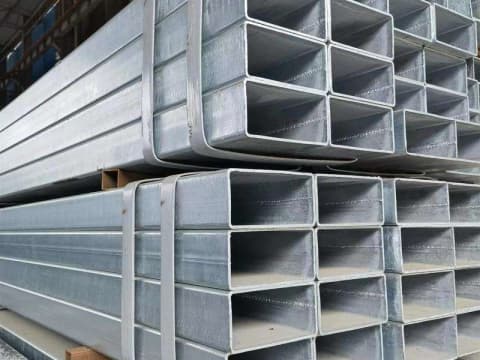
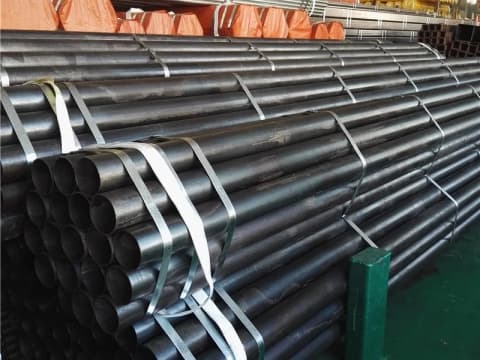
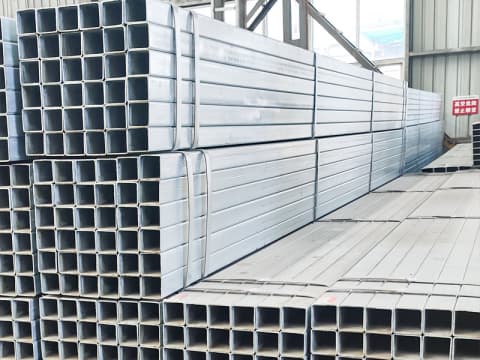
- Standard shapes: round, square, rectangular.
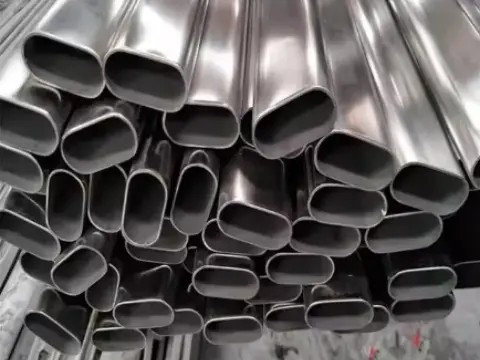
- Irregular cross-sections: hexagonal, octagonal, elliptical, triangular, semi-circular, trapezoidal, conical, five-petaled plum blossom shape, double-convex/double-concave shape, corrugated shape, etc. Cold drawing is a strong point.
Process Classification for cold drawn steel tube
Cold Drawn Seamless Tube (CDS tubing)
Cold‑formed from hot‑rolled seamless pipe billets. It features high pressure resistance and good fatigue resistance, suitable for high‑temperature and high‑pressure working conditions.
Cold Drawn Welded Tube (CDW tubing, also known as DSAW precision‑drawn tube)
Cold‑drawn from ERW pipe raw material. The weld seam becomes compact and refined, and its microstructure is close to the base metal. It delivers high precision with hardly‑visible weld and smooth inner & outer surfaces.
CDS vs CDW: How to Select
Choose CDS tubing for:
- High‑pressure hydraulic cylinders
- Boiler tubes
- Heat exchangers
- Welding‑required parts
- Chemical transmission piping
- Structural tubes
Choose CDW tubing for:
- Automotive shock absorber rods
- Shaft rods
- Precision machinery
It costs less than CDS tubing.
Limitations of Cold‑Drawn Pipe
Residual Stress
Residual stress generates inside the base material after cold drawing, which will affect cutting and welding performance. It is generally eliminated by annealing treatment.
Not Suitable for Long‑Term High‑Temperature Service
Work‑hardened steel pipe will lose strength gradually with rising temperature and produce microstructure recrystallization. It is not fit for continuous service above 400°C.
Higher Cost Than Hot‑rolled Pipe
It requires extra manufacturing procedures, so its price is relatively higher.
Final Remarks
If your project demands high dimensional precision and good surface finish, without extreme ultra‑high‑pressure requirements, cold‑drawn steel pipe will be the optimal choice balancing cost‑performance and properties.
If premium appearance is also required, cold‑drawn black square tube is the most suitable option among black square tube categories.