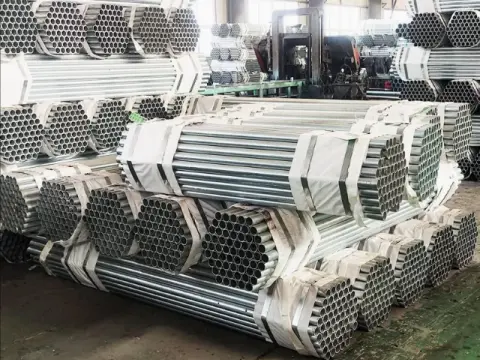
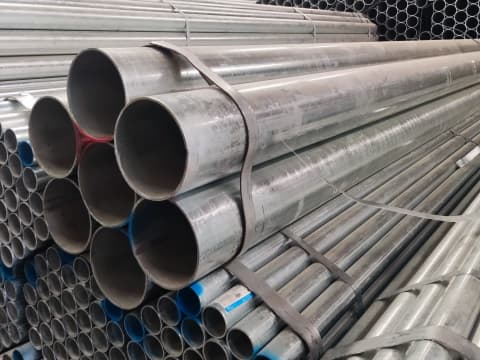
When selecting steel pipes for oil, gas, hydraulic, chemical, and high-pressure industrial systems, the pressure limit is the most critical technical index. Many buyers assume seamless pipes always handle higher pressure and welded pipes cannot be used for pressurized service. However, the actual pressure rating depends on pipe wall thickness, steel grade, standard specification, and joint efficiency.
Let’s learn about welded pipe vs seamless pipe pressure limit, strength performance, safety factors, and application boundaries.
What Is Seamless Pipe?
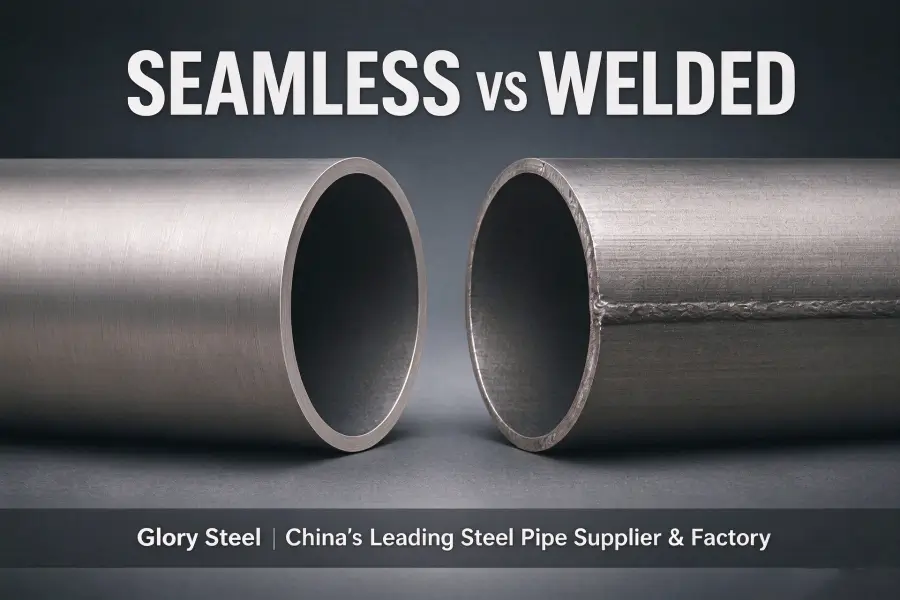
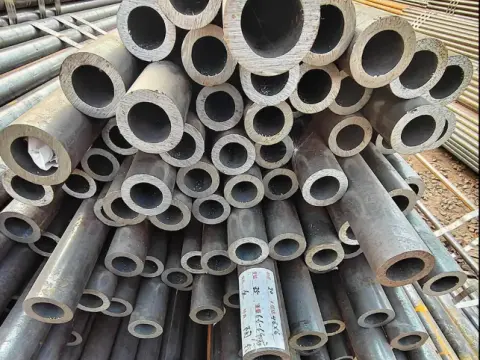
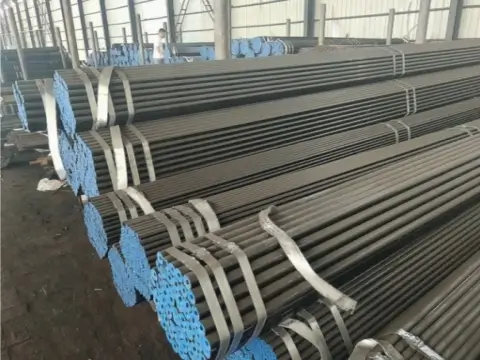
Seamless steel pipe is manufactured by piercing and hot rolling solid steel billets. It has no welding seam on the entire pipe body. Without weld defects, residual stress, or weak joint lines, seamless pipes feature uniform microstructure and stable mechanical performance.
Core advantage for pressure service: Seamless pipes apply a full joint efficiency factor (E=1.0) per ASME and API standards. The entire pipe body maintains consistent pressure resistance, making it the first choice for ultra-high-pressure and high-temperature working conditions.
What Is Welded Pipe?
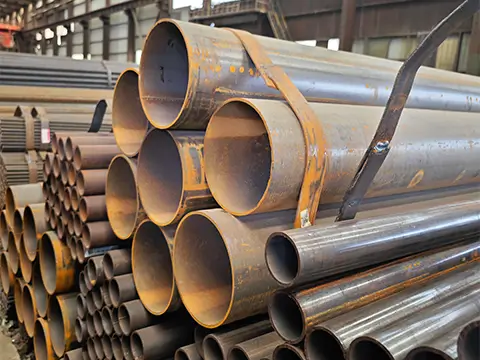
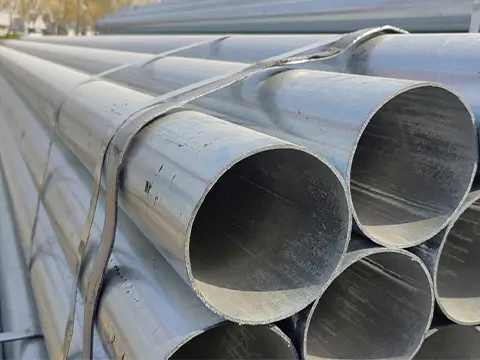
Welded steel pipes (ERW, HFW, LSAW, SSAW) are formed by rolling steel plates or steel strips and welding the seam. Welded pipes have a visible welding line, which becomes the theoretical weak point under internal pressure.
According to industrial piping standards, welded pipes adopt a joint efficiency factor (E=0.85) for general service. This means under the same size, wall thickness, and material, the allowable working pressure of welded pipe is 85% of seamless pipe.
Modern high-frequency welded pipes undergo full heat treatment and 100% NDT (non-destructive testing), greatly improving seam stability. They are widely accepted for medium and low-pressure industrial transmission.
Pressure Limit Comparison: Welded Pipe vs Seamless Pipe
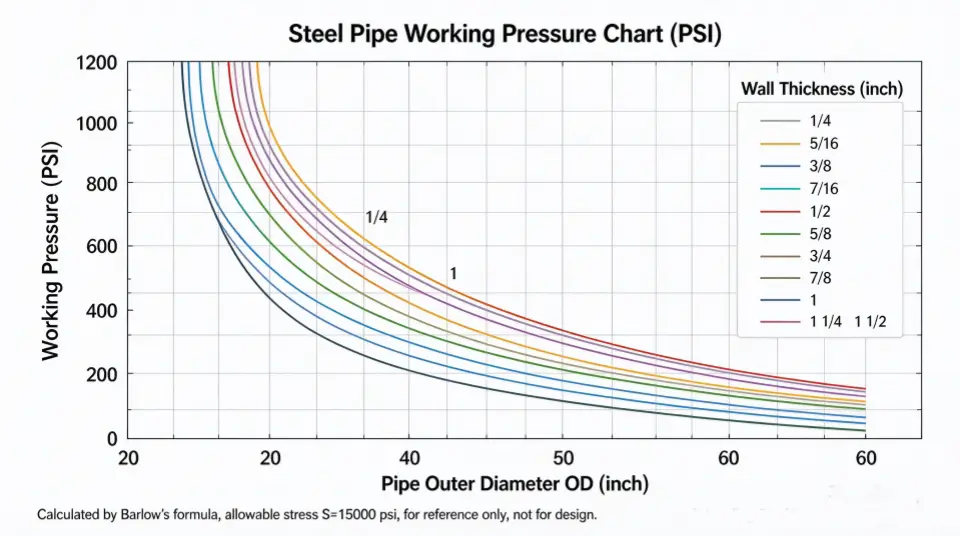
The allowable pressure of steel pipes follows the Barlow’s Formula:
P = 2 × T × S × E / D
P = Allowable pressure T = Wall thickness S = Material yield strength E = Joint efficiency factor D = Outer diameter
The biggest difference lies in theE value (joint efficiency):
- Seamless Pipe: E = 1.0 → Maximum allowable pressure
- Welded Pipe: E = 0.85 → Pressure rating reduced by 15%
General Pressure Rating Range
- Welded Steel Pipe: Suitable for pressure ≤ 10MPa (medium & low pressure)
- Seamless Steel Pipe: Stable for pressure 10MPa – 100MPa+ (high & ultra-high pressure)
Key Strength & Safety Differences Under Pressure
1. Pressure Resistance Stability
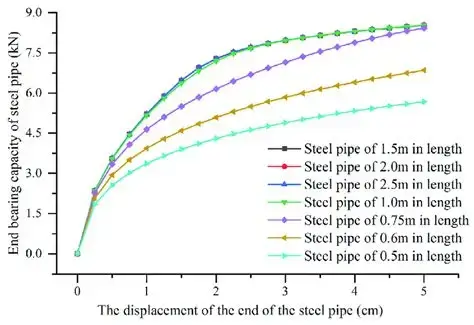
Seamless pipes have uniform wall thickness and no seam weakness. Under long-term high pressure, they resist deformation, cracking, and fatigue failure. Welded pipes concentrate stress on the welding seam; under ultra-high pressure or pressure fluctuation, the weld line is the first potential failure point.
2. Temperature & Pressure Synergy
In high-temperature and high-pressure environments (boiler tubes, power pipelines, hydraulic systems), seamless pipes maintain stable mechanical properties. Welded pipes are not recommended for continuous high-temperature + high-pressure combined working conditions.
3. Safety Factor
Seamless pipes have a higher safety margin for critical industrial projects. Welded pipes are fully safe and cost-effective for conventional water, gas, and general fluid transmission within standard pressure limits.
Application Selection by Pressure Limit
Choose Seamless Pipe for These Scenarios
- Working pressure over 10MPa
- High temperature, high pressure boiler and heat exchanger tubes
- Oil & gas drilling, hydraulic power systems
- Chemical high-pressure reaction pipelines
- Critical projects requiring zero leakage risk
Choose Welded Pipe for These Scenarios
- Medium and low pressure fluid transmission (≤10MPa)
- Water supply, drainage, fire fighting, gas pipelines
- Structural piping, construction casing
- Large-diameter long-distance transmission projects
Common Customer Misconceptions
- Welded pipes cannot withstand pressure. Fact: Qualified ERW welded pipes work safely under standard medium pressure.
- All seamless pipes are high-pressure pipes. Fact: Pressure limit depends on wall thickness and steel grade, not only seamless structure.
- Welded pipes are low-quality. Fact: Modern welded pipes pass full NDT tests and are cost-effective for general industrial piping.
Conclusion
The core difference between welded pipe vs seamless pipe pressure limit is the joint efficiency factor. Seamless pipes support higher pressure, higher temperature, and more severe working conditions with a 1.0 safety coefficient. Welded pipes feature economic advantages and stable performance for medium and low-pressure systems. For project selection, match the pipe type strictly according to actual working pressure, temperature, and industry standards to balance safety and cost.