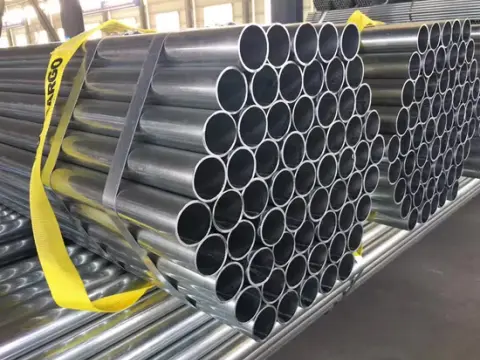
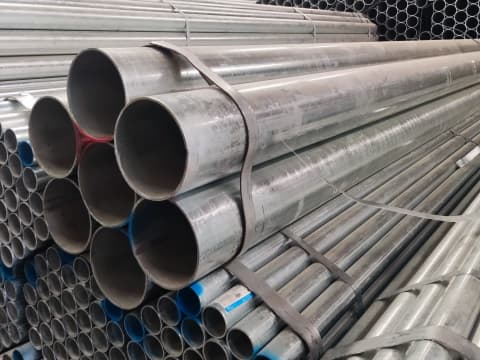
Corrosion protection for steel is a core consideration for outdoor steel structures, fences, photovoltaic supports, pipe fittings, and purchasing. ZAM (Zinc‑Aluminum‑Magnesium coated steel) and traditional hot‑dipped galvanized (HDG) steel are the two most popular hot‑dip anti‑corrosion steel grades in overseas markets.
This article makes a full comparison from coating composition, corrosion resistance, cut‑edge self‑healing property, processing performance, cost and application scenarios to help you make quick material selection.
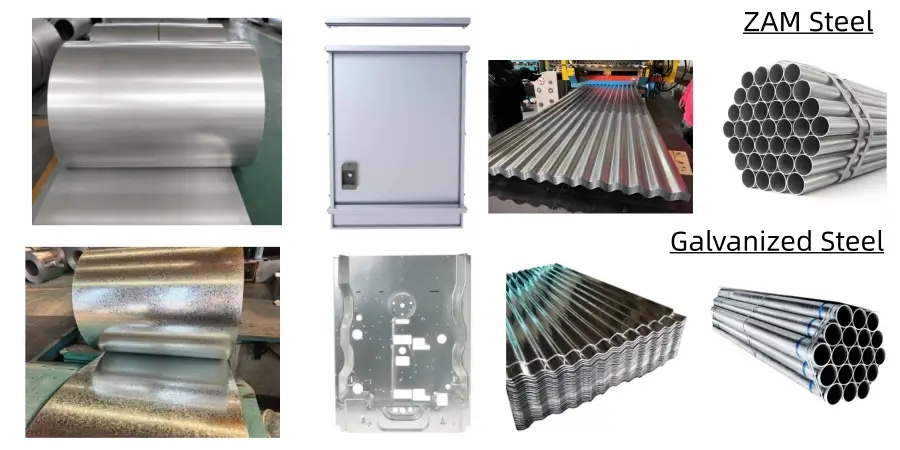
What is ZAM Steel?
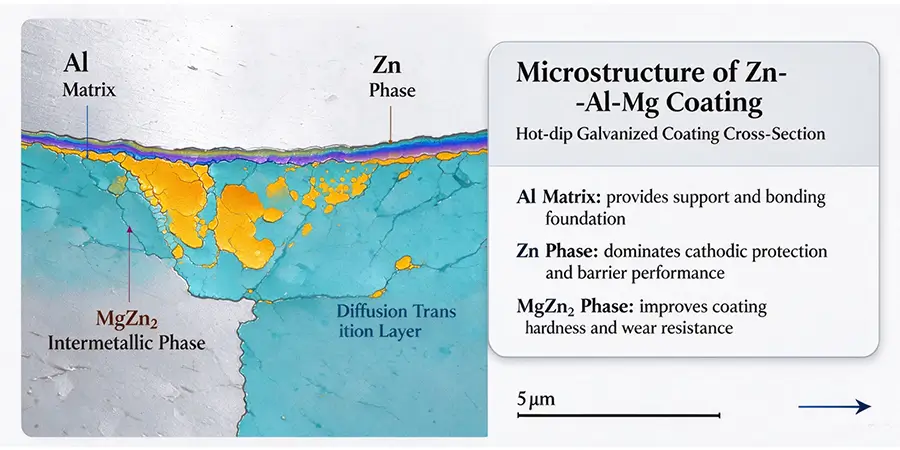
ZAM steel refers to zinc‑aluminum‑magnesium alloy coated steel sheet. Its coating mainly consists of zinc with approx. 6% aluminum and approx. 3% magnesium. It is a new‑generation high‑corrosion‑resistance hot‑dip alloy coating material. Magnesium is the core highlight of ZAM. It delivers cutting-edge self‑healing performance. For bare steel areas caused by cutting, punching or scratch impact, alloy elements will precipitate from the coating and form a dense protective film on cut edges to restrain red rust, with no extra painting required.
What is Hot‑Dipped Galvanized Steel (HDG / GI)?
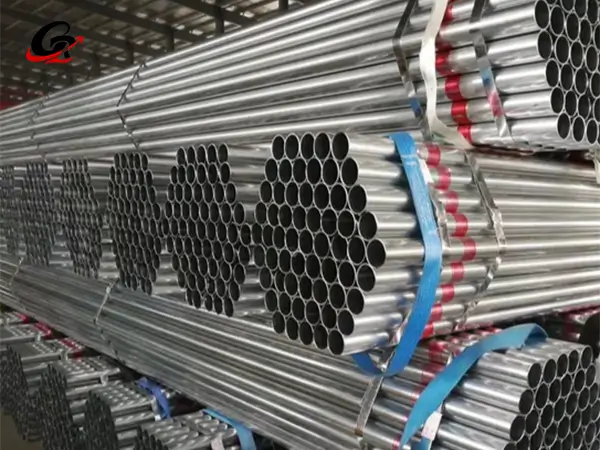
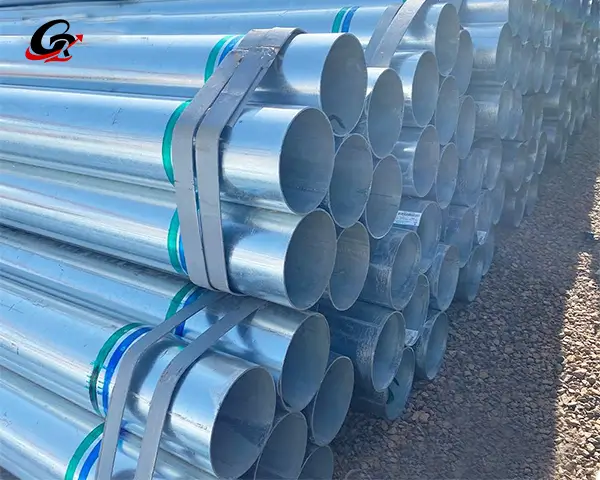
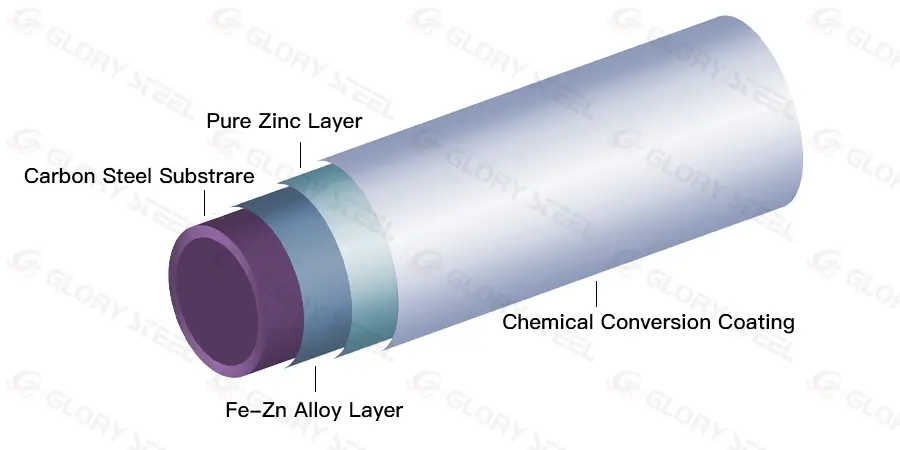
Hot‑dip galvanizing is a mature traditional anti‑corrosion process. Carbon steel is immersed in molten pure zinc liquid to form a pure zinc anti‑corrosion layer on the steel surface. It protects base steel by sacrificial anode effect. Thanks to its good cost‑performance, it is widely used in global infrastructure, fences and pipes. Its main drawback: cut edges and punched holes have no zinc coverage. Exposed base steel will get rust quickly. Manual touch‑up painting is necessary for corrosion protection.
Detailed Comparison of Key Performance
1. Corrosion Resistance
- ZAM Steel: Under equal coating weight, its salt spray resistance service life is about 10‑20 times that of conventional hot‑dipped galvanized steel. It shows outstanding advantages in harsh environments such as coastal salt spray, high humidity, livestock ammonia atmosphere and de‑icing salt. Cut edges and punched holes can form protective film automatically to greatly delay red rust occurrence.
- HDG Hot-Dip Galvanized Steel: Performs stably in dry inland environment. Zinc layer wears fast under coastal, high‑salt and heavy‑corrosion conditions. Bare cut edges have no self‑protection and tend to generate red rust first. Touch‑up coating is mandatory.
Salt spray test reference: At 90g/㎡ coating weight, ZAM can withstand more than 5000 hours salt spray without red rust; ordinary hot‑dipped galvanized steel generally reaches only 800‑1200 hours.
2. Cut‑edge Performance
This is the biggest difference between ZAM and HDG steel.
- ZAM: Self‑healing. Magnesium and aluminum elements migrate to exposed cut edges and generate passivation protective film to resist red rust. Mass‑produced punched & cut parts can skip edge touch‑up painting, cutting processing costs.
- Hot‑Dipped Galvanized Steel: No self‑healing. Base steel is exposed after cutting and tends to rust. Mass production requires extra grinding and zinc‑rich paint touch‑up, raising labor and lead‑time cost.
3. Processing Performance (Bending, Stamping, Welding, Scratch Resistance)
- ZAM Steel: Coating hardness reaches 140‑160‑160HV with better scratch resistance. Coating hardly peels off after bending and stamping, suitable for punched and complex‑formed components. Normal welding is available. Surrounding areas after welding still retain partial anti‑corrosion capacity. It has good adhesion for direct painting and powder coating.
- HDG Steel: Pure zinc coating is soft (55‑65HV). It is easy to get scratches and zinc peeling during handling and stamping. Coating may flake under sharp bending. The zinc layer is burnt out at welding spots. Grinding plus zinc‑rich paint touch‑up is required after welding.
4. Surface Appearance
- ZAM: Matte silver‑grey surface without large spangle. Flat and smooth sheet surface, ideal for exposed components with appearance requirements.
- Hot‑Dipped Galvanized Steel: Large zinc spangle is common. Drips, zinc knobs and minor unevenness may occur, which are normal for this process. More minor appearance imperfections may exist.
5. Cost Comparison (Initial Purchase Cost VS Total Life‑Cycle Cost)
- Up‑front Purchase Cost: ZAM raw material price per ton is higher than ordinary hot‑dipped galvanized steel.
- Long‑term Comprehensive Cost:
- ZAM: Edge touch‑up painting and later maintenance & repainting can be omitted. It can realize 20‑30‑year maintenance‑free service outdoors. Total cost of ownership is lower for harsh‑environment projects.
- HDG: Lower raw material unit price, yet extra cost comes from edge repair, rust removal and repainting in later service. Repainting & renovation is generally needed every 8‑15 years for outdoor applications.
Summary: Choose HDG for short‑term projects with tight budget; select ZAM for long‑life projects and harsh‑environment applications to reduce rework and replacement risks.
How to Select According to Application Scenarios
✅ Prefer ZAM Zinc‑Aluminum‑Magnesium Coated Steel
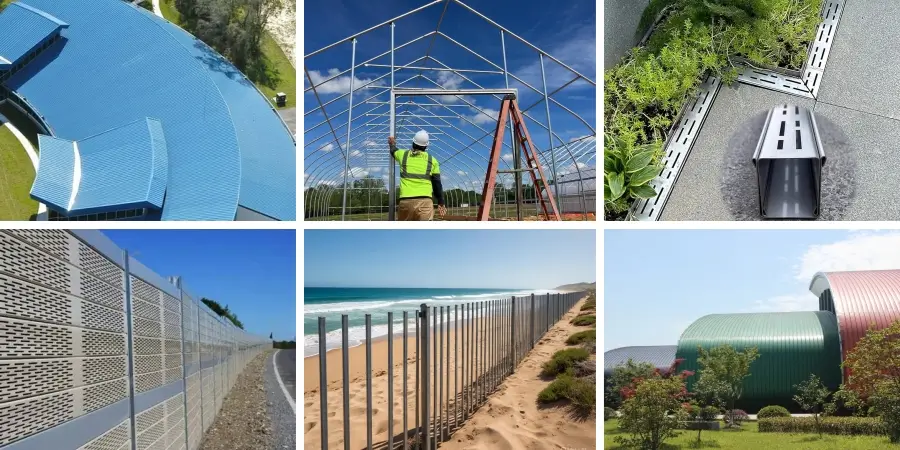
- Outdoor products for coastal & island areas, heavy salt spray, rainy high‑humidity regions.
- Photovoltaic brackets and solar steel structures requiring over 20‑year maintenance‑free service.
- Livestock barns and greenhouses (ammonia and high‑humidity atmosphere).
- Mass‑cut & punched workpieces: cable trays, perforated sheets, fence components.
- Highway guardrails, noise barriers and infrastructure parts hard for on‑site maintenance.
- Bulk export orders with appearance requirements and no edge‑painting expectation.
✅ Prefer Traditional HDG Hot‑Dipped Galvanized Steel
- Ordinary outdoor infrastructure and temporary facilities in dry inland areas.
- Budget‑limited projects with 8‑12‑year design service life and allowable later‑stage maintenance.
- Indoor applications: warehouse racks and general indoor steel structures.
- Heavy castings and large sections (ZAM coating is not available for some heavy‑duty large steel profiles).
Common Misconceptions
- ZAM is NOT equal to Galvalume (AZ coating). Galvalume contains 55% aluminum without magnesium, so it has no cut‑edge self‑healing function. Do not mix them up.
- ZAM is not 100% rust‑proof. It only greatly slows down corrosion. It still corrodes under strong acid & alkali conditions.
- Hot‑dipped galvanized steel is not poor‑quality. It remains a cost‑effective mature solution for dry inland working conditions.
Conclusion
ZAM zinc‑aluminum‑magnesium coated steel features superior corrosion resistance plus cut‑edge self‑healing. It fits high‑corrosion‑environment and long‑life export projects. Despite higher raw material cost, it saves touch‑up painting and after‑sales maintenance work. Hot‑dipped galvanized HDG steel provides low purchase cost and works well for general inland conditions. When sourcing steel, do not only focus on raw material unit price. Make comprehensive judgement considering service environment, design life and whether heavy cutting & punching is involved.