Hot-dip galvanized steel pipes are widely used in water supply, fire protection, municipal networks and irrigation projects thanks to their excellent corrosion resistance. However, many buyers and contractors face the same question: after on-site cutting, the zinc layer is damaged and the cut edge is exposed — will the cut area rust easily?
This article explains the corrosion principle, influencing factors, treatment methods and selection tips.
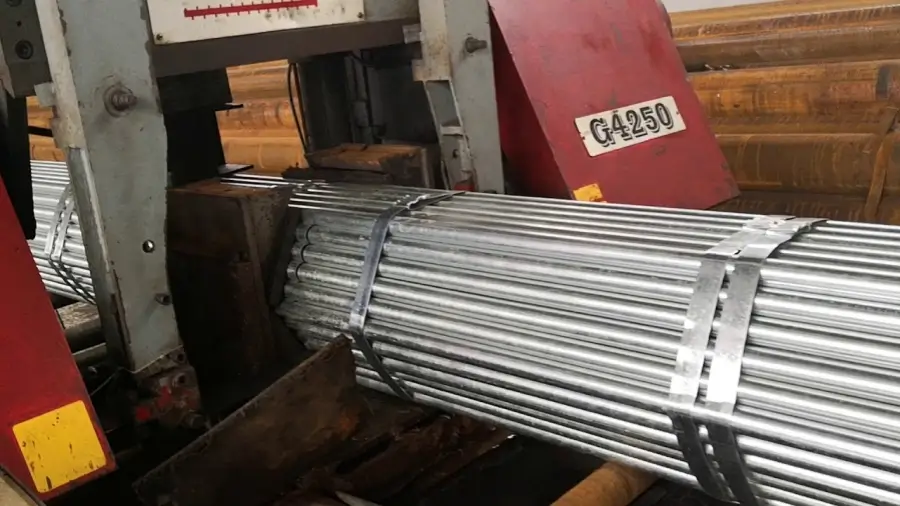
How does the Zinc Layer Protect the Pipe?
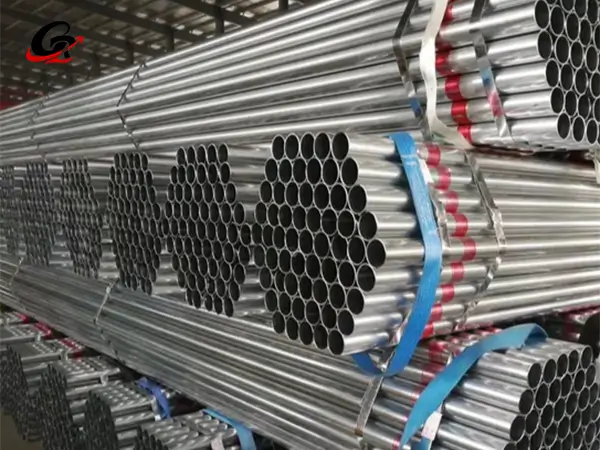
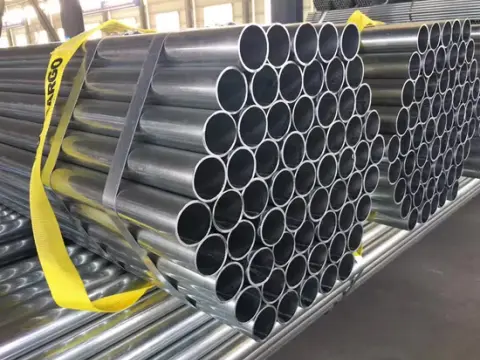
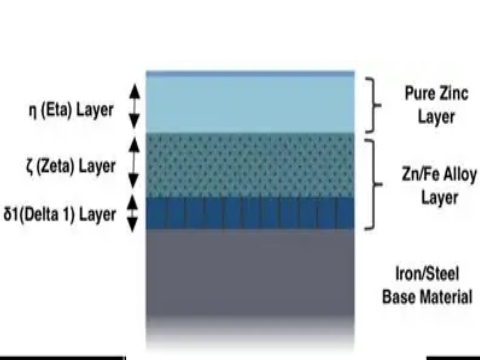
Hot-dip galvanizing forms a zinc-iron alloy layer on the steel pipe surface, isolating the steel from air and moisture. However, the zinc layer only exists on the outer and inner surfaces of the pipe. After cutting, sawing or drilling, the zinc layer at the cut edge is completely removed, exposing the carbon steel substrate.
The cut edge itself has no zinc protection. If left untreated and exposed to moisture, rain, or soil, corrosion will occur. But this does not mean the entire pipe will quickly fail — corrosion starts preferentially at the cut edge and does not instantly spread along the whole pipe.
When Does the Cut Edge Rust Faster?
- Outdoor exposure with frequent rain — moisture continuously contacts the cut edge, accelerating corrosion
- Buried in soil — wet soil and saline ground accelerate edge corrosion
- Water flowing inside the pipe — the inner cut edge stays in contact with water, making rust spots more likely
- No repair coating applied after cutting
In dry indoor environments, the cut edge rusts much more slowly, and the risk is manageable.
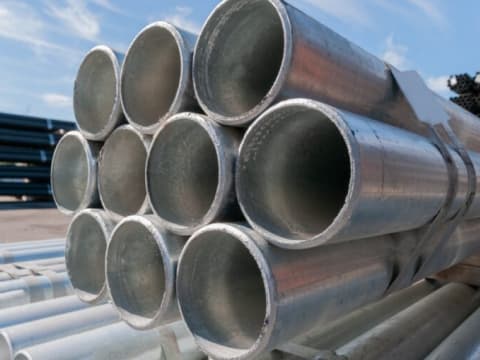
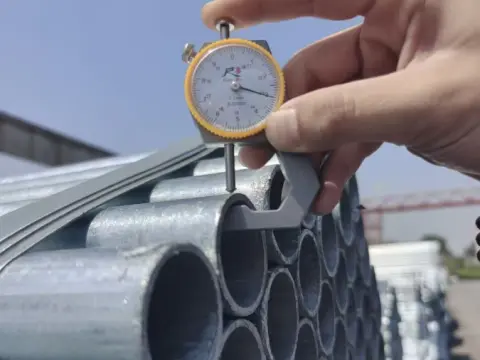
Standard Treatment After Cutting
- Zinc-rich paint / galvanizing repair paint
Apply zinc-rich repair coating evenly on the inner and outer cut edges to rebuild the protective layer. This is the most common on-site method. - Thermal zinc spraying
When conditions allow, zinc spraying provides corrosion protection closest to the original galvanized layer. Often used for critical buried projects. - Factory fixed-length cutting
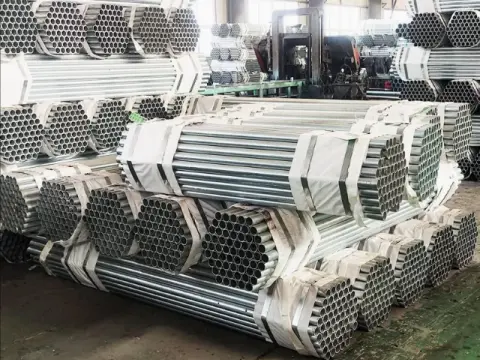
Prefer factory cutting to the required length, with factory-applied zinc repair on the cut edges, reducing secondary damage on site.
Important: Ordinary paint is not effective. It contains no zinc and cannot provide sacrificial anode protection. It will peel off quickly.
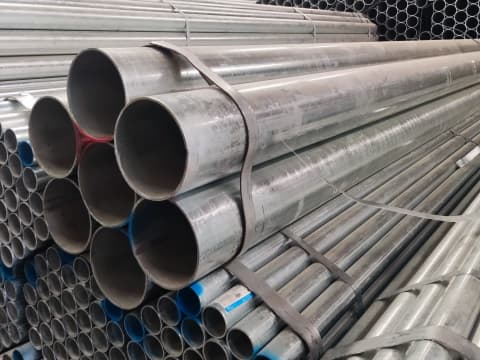
Common Misunderstandings
Misunderstanding 1: A galvanized pipe is scrap once cut
Correction: Only the exposed steel at the cut edge is at risk. The rest of the pipe still has full zinc protection. With proper edge repair, the overall service life is not significantly affected.
Misunderstanding 2: Welded pipe rusts after cutting, but seamless galvanized pipe does not
Correction: Whether seamless or ERW welded galvanized pipe, once the zinc layer is damaged by cutting, the edge exposes bare steel. Both types require edge treatment after cutting.
Misunderstanding 3: The zinc layer still works in high-temperature conditions
Correction: The zinc layer has limited temperature resistance. For long-term high-temperature service, galvanized pipe is not recommended. Seamless carbon steel or alloy pipe is preferred.
Selection Recommendations
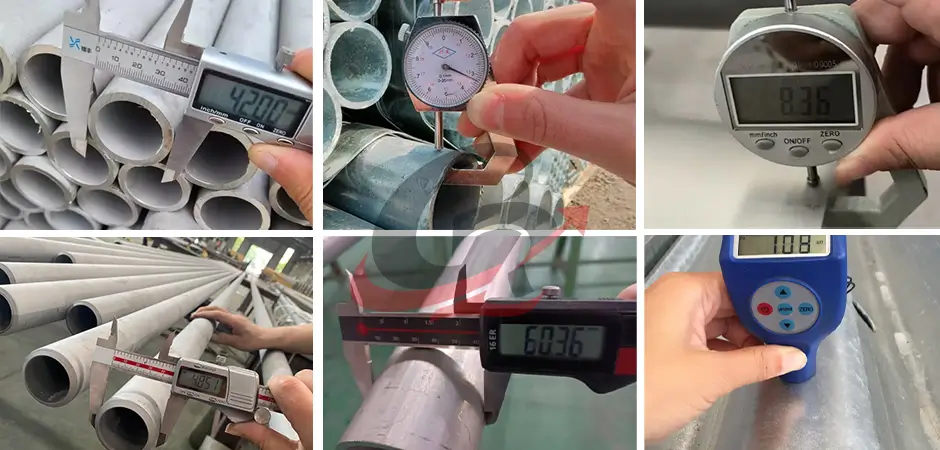
- Indoor dry fire protection, gas supply: Galvanized pipe with simple edge painting is sufficient
- Outdoor, buried, high-humidity projects: Galvanized pipe with strict edge zinc repair; for severely corrosive environments, consider FBE epoxy powder-coated steel pipe.
- High-temperature process pipelines: Galvanized pipe is not recommended
Final Notes
If you are unsure about the corrosion protection solution for your project, the Glory Steel technical team can provide pipe selection advice and quotation support based on your operating environment, medium and temperature parameters.