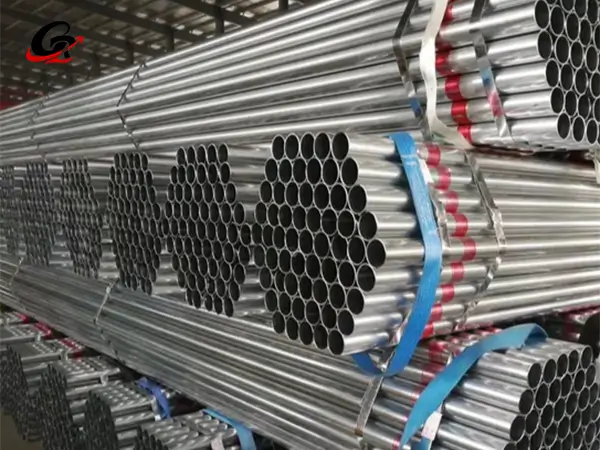
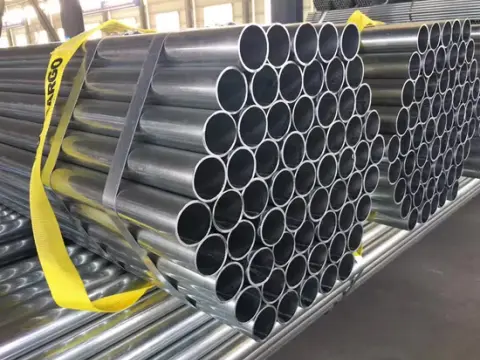
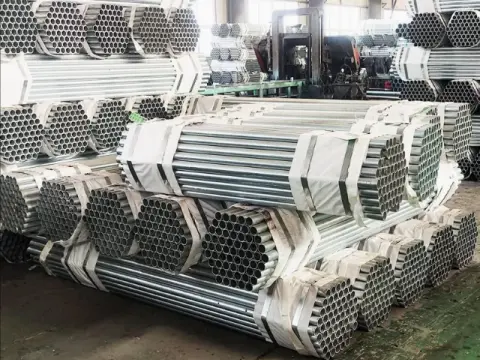
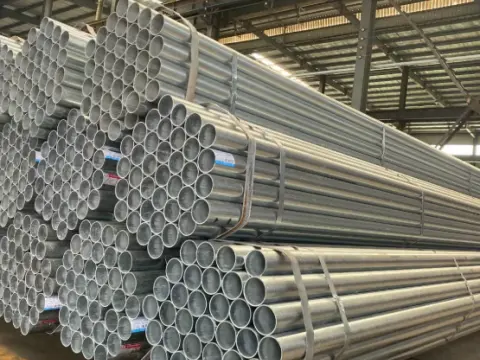
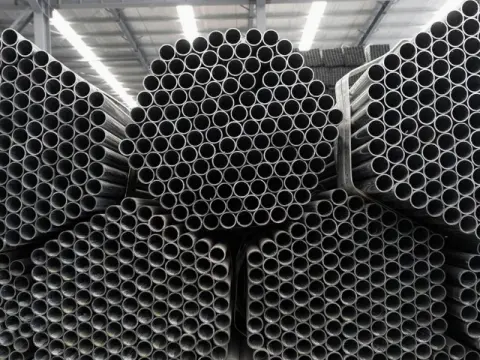
Galvanized pipe is not completely rust-proof. It only greatly slows down the corrosion rate of steel through the surface zinc coating instead of providing permanent rust protection.
Core Anti-corrosion Principle
- After oxidation, zinc forms a dense basic zinc carbonate protective film, isolating air and moisture from the internal steel substrate.
- Zinc acts as a sacrificial anode and corrodes preferentially. Even if the zinc coating is partially damaged, it can protect the surrounding bare steel through electrochemical reaction.
However, zinc itself is not immune to corrosion. In harsh long-term environments, the zinc coating will gradually wear away, exposing the steel pipe substrate and leading to rust formation.
Three Stages of Rust Development
- White spots appear on the surface (oxidation of the zinc layer to form basic zinc carbonate) → White discoloration, normally functional with no impact on service.
- Progressive consumption of the zinc layer (accelerated in humid or acidic environments).
- Exposure of the steel substrate after full zinc depletion → Red rust forms on the steel pipe.
Service Life of Zinc Coating in Different Environments
| Environment | Zinc Coating Service Life | Onset of Red Rust |
|---|---|---|
| Dry indoor environment | 15~25 years | After the zinc layer is fully consumed |
| Ordinary outdoor environment | 10~20 years | After the zinc layer is fully consumed |
| Humid / rainy outdoor environment | 8~15 years | After the zinc layer is fully consumed |
| Coastal salt spray environment | 5~8 years | After the zinc layer is fully consumed |
| Buried in soil / soil contact | 5~10 years | After the zinc layer is fully consumed |
| Industrial pollution / acid rain area | 3~6 years | After the zinc layer is fully consumed |
| High temperature & high humidity | Significantly shortened | After the zinc layer is fully consumed |
Factors Accelerating Rusting
- Humid, rainy or salt-laden coastal conditions
- Contact with corrosive chemicals (acids, alkalis, salts)
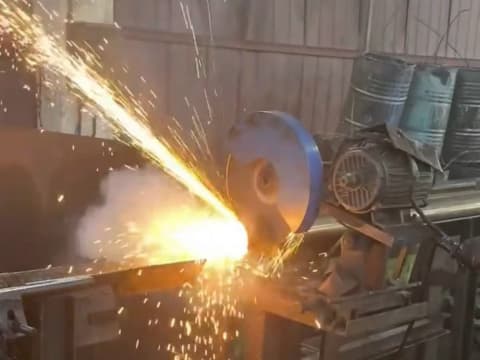
- Scratches or damage to the galvanized coating (cuttings, welding, impact)
- Permanent burial or prolonged immersion in water
- Industrially polluted regions with acid rain
- High-temperature and high-humidity working conditions
Common Scenarios Triggering Rust
- In marine environments with high humidity and salinity, zinc coating corrosion accelerates dramatically.
- Corrosive media such as hydrogen sulfide in the environment react directly with zinc and destroy the protective layer.
- Cut and drilled ends without zinc-rich touch-up will start corroding first.
- Electro-galvanized pipes have almost no internal zinc coating; rust water quickly forms inside under humid conditions and may block pipelines.
When Galvanized Pipe Is Not Recommended
- Strong acid & alkali environments → Choose stainless steel pipe or special coated pipe
- Long-term burial or underwater service → Choose 3PE coated pipe or stainless steel pipe
- High-temperature working conditions (>200°C) → Zinc coating may soften and peel off
- Service life requirement over 30 years with zero maintenance → Choose stainless steel pipe
- Custom color requirements → Choose powder-coated pipe or painted pipe
Hot-dip Galvanizing vs Electro-galvanizing
| Comparison Item | Hot-dip Galvanized (HDG) | Electro-galvanized (Cold Galvanized) |
|---|---|---|
| Process Principle | Steel pipe immersed in molten zinc at 440~465°C to form zinc-iron alloy layer plus pure zinc layer | Electrochemical zinc deposition at ambient temperature onto the substrate surface |
| Coating Thickness | 50~100μm or thicker | 5~15μm |
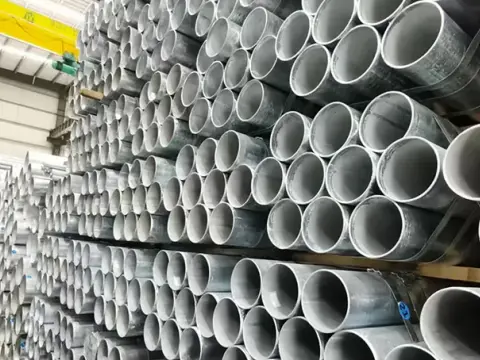
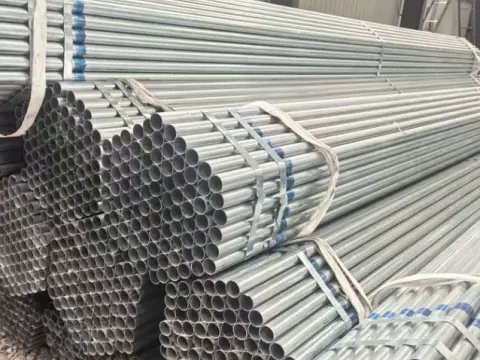
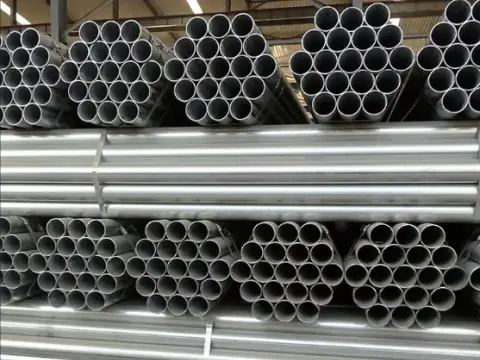
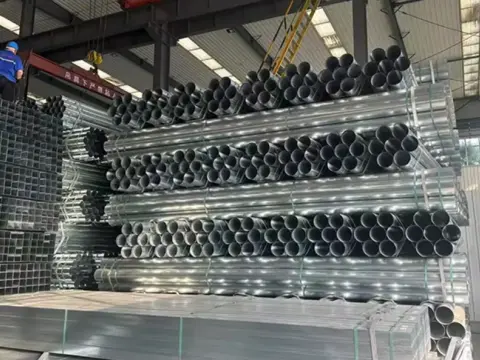
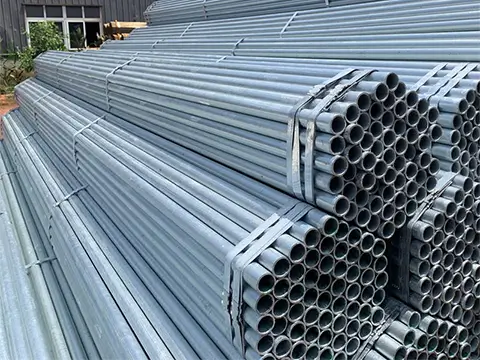
| Appearance | Satin silver / dull grey, non-glossy | Bright silver, high gloss |
| Adhesion | Excellent, metallurgically bonded with base metal | Average, physical adhesion, easy peeling |
| Outdoor Anti-corrosion Lifespan | 15~30 years | 2~5 years |
| Price | Higher | Lower |
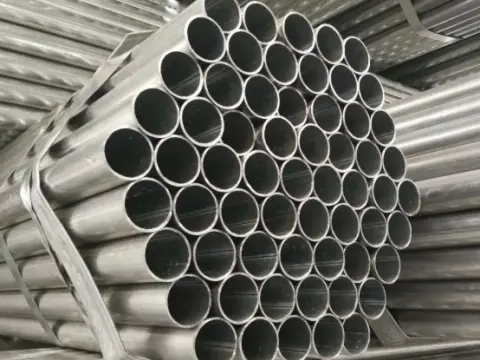
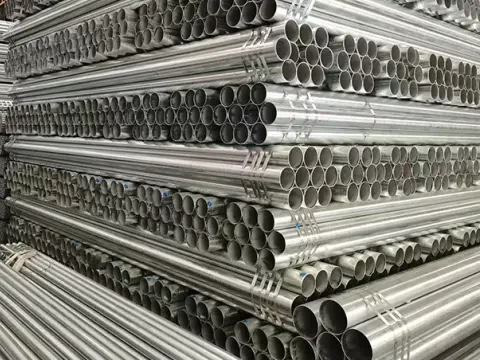
Many buyers judge quality by surface gloss and regard bright surfaces as superior. In fact, thicker hot-dip zinc coatings appear dull, while electro-galvanized surfaces shine due to thin zinc deposition. A dull grey or slightly blackened finish on HDG pipe indicates a thick, robust zinc coating.
How to Prevent Galvanized Pipe from Rusting
1. Procurement Guidelines
| Measure | Description |
|---|---|
| Select hot-dip galvanizing instead of electro-galvanizing | Anti-corrosion lifespan differs by more than 10 times |
| Verify zinc coating weight | ASTM standard ≥1.8 oz/ft² (approx. 550g/m²); ≥2.0 oz/ft² preferred for outdoor use |
| Check zinc coating adhesion | Qualified coating withstands 180° bending without peeling or flaking |
| Request salt spray test if required | Salt spray report available (minimum 240 hours without red rust) |
| Double protection option | Hot-dip galvanizing plus powder coating (duplex system), service life 30~50 years |
| Confirm end treatment plan | Cutting and welding damage zinc coating; touch-up with zinc-rich paint or epoxy sealing is required |
2. Transportation Control
| Measure | Description |
|---|---|
| Rain & moisture protection | Cover with tarpaulin during sea shipment to avoid prolonged salt spray exposure |
| Packaging protection | Plastic end caps to prevent saltwater ingress into pipe bore |
| Avoid surface scratches | Prevent impact during loading/unloading; scratches become corrosion initiation points |
| Binding protection | Rubber pads or corner protectors under steel strapping to avoid coating indentation |
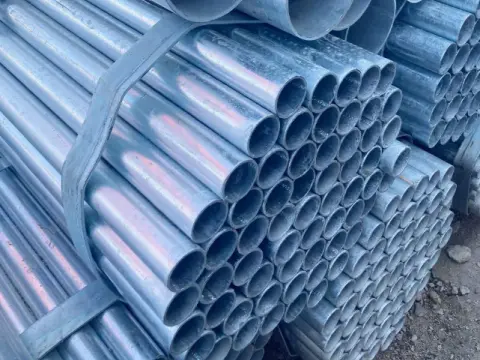
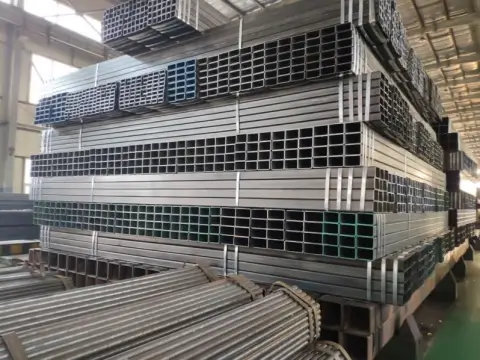
Our galvanized pipes all adopt hot-dip galvanizing with standard export packaging.
3. Installation Specifications
| Measure | Description |
|---|---|
| Touch-up on cut surfaces | Cut and welded areas must be recoated with zinc-rich paint (≥80% zinc content) |
| Treatment for buried sections | Additional bitumen coating or PE wrapping for buried parts such as fence posts |
| Prevent dissimilar metal contact with copper | Direct contact between galvanized steel and copper accelerates galvanic corrosion of zinc |
| Protection for drilled holes | Hole edges with damaged zinc coating also require supplementary anti-corrosion coating |
4. Operation & Maintenance
Corrosion of galvanized pipes accelerates significantly in acid mist (industrial zones, livestock farms) and salt spray (coastal areas. Rinse surfaces regularly to reduce contaminant accumulation. Polish and recoat with zinc-rich paint promptly once scratches, white bloom or red rust are found. For highly corrosive environments such as livestock farms, apply extra sealer to seal micro-pores on galvanized surfaces and greatly slow corrosion.
Cost & Lifespan Comparison of Anti-corrosion Systems
| Solution | Cost Level | Outdoor Service Life |
|---|---|---|
| Electro-galvanizing | ★☆☆ Lowest | 2~5 years |
| Hot-dip Galvanizing (HDG) | ★★☆ Moderate | 15~30 years |
| Hot-dip galvanizing + Powder Coating | ★★★ Relatively High | 30~50 years |
| Hot-dip galvanizing + Sealer System | ★★★ Relatively High | Over 30 years |
| Stainless Steel | ★★★★ Highest | Over 50 years |
Coating sealer system: A penetrating sealer applied onto galvanized surfaces to seal micro-pores in the zinc coating and slow penetration of corrosive media. Ideal for acid mist and humid environments including livestock facilities.