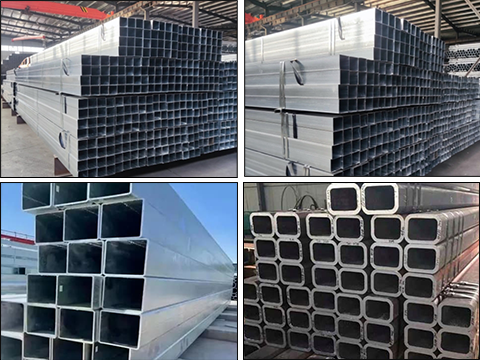
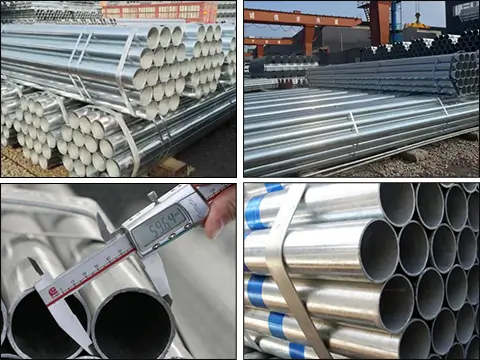
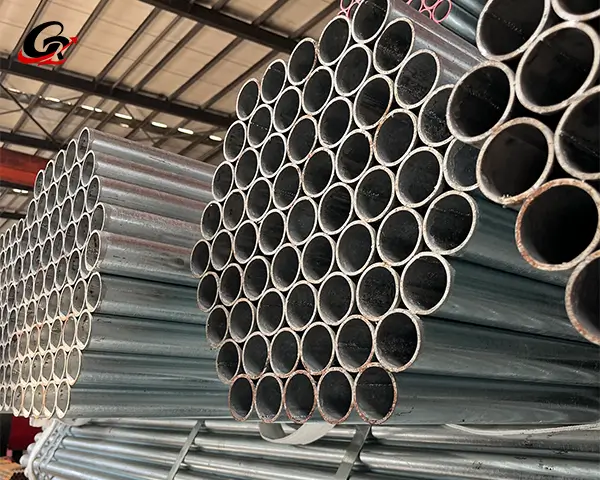
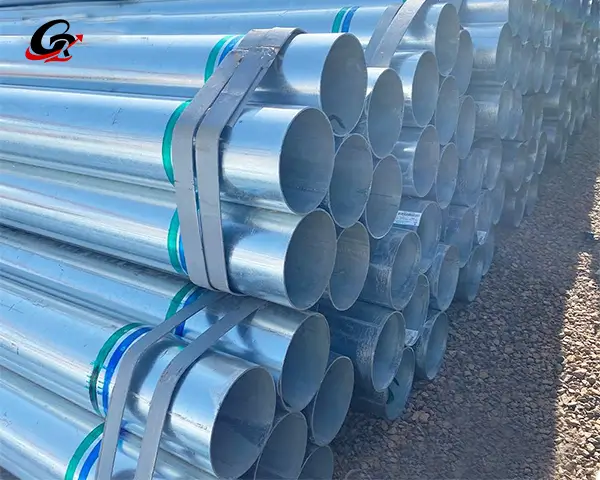
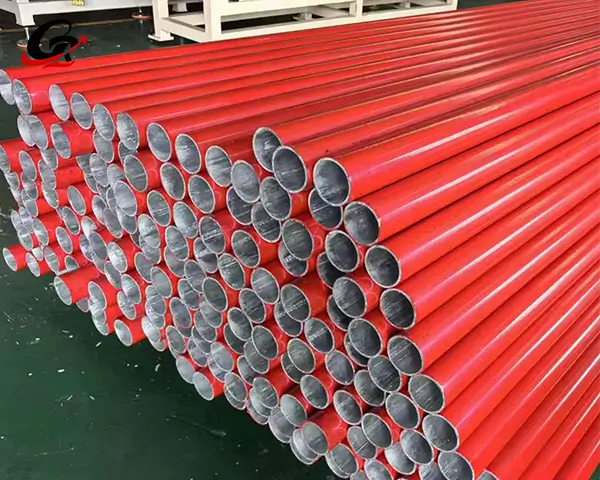
Most of the time, the galvanized steel pipes we see are hot dip galvanized pipes, with only a small number of applications using electro-galvanized pipes (cold galvanized pipes). Both processes are common methods for rust prevention of black pipes. So which one is better, and what are the differences?
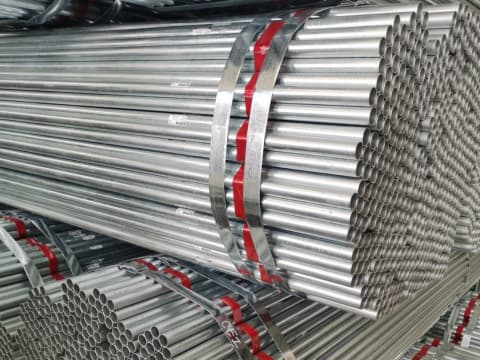
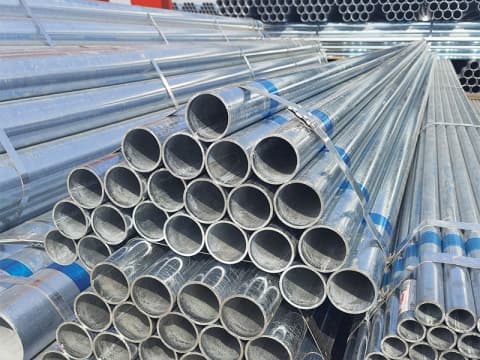
Process Steps
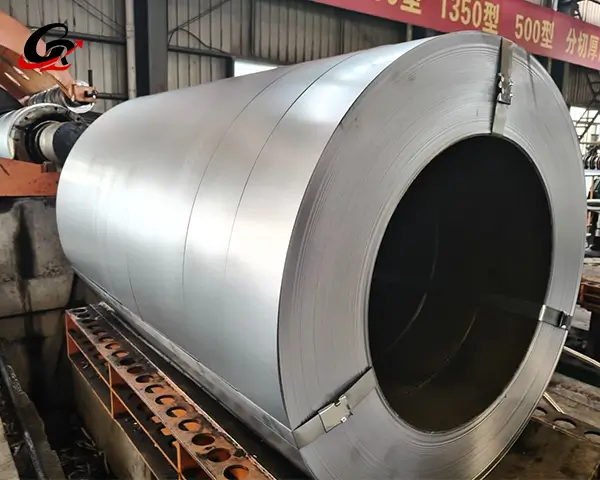
- Hot Dip Galvanized Pipe (HDG): Same as the galvanizing method for hot dip galvanized steel coils and hot dip galvanized steel sheets, the entire steel pipe is immersed in a molten zinc bath for galvanizing, and its zinc coating is a zinc-iron alloy layer.
- Electro-galvanized Pipe (EG / Cold Galvanized): This process is generally a rust prevention method for small parts, such as galvanized wire, galvanized bolts, and galvanized chicken wire, all using this method. The steel pipe is placed in an electrolyte bath, and its zinc coating is a physical adhesion of zinc ions.
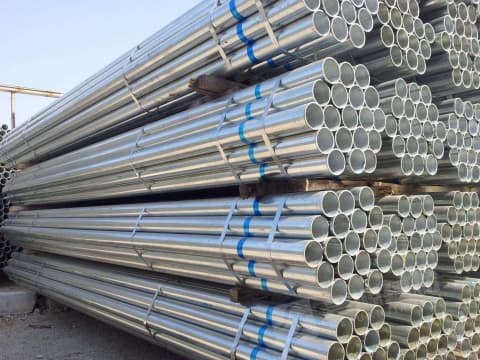
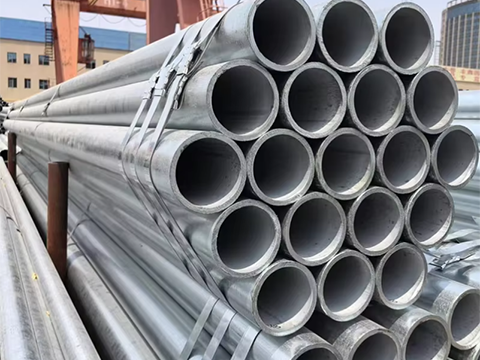
Zinc Coating Differences
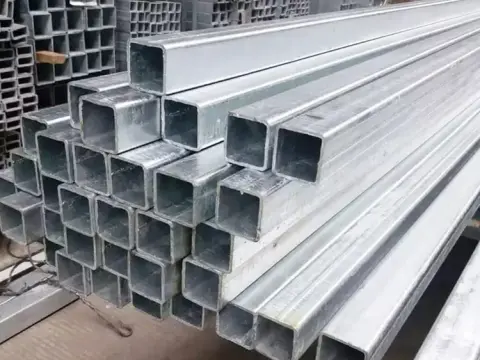
- Hot dip: Thickness 60–275 μm, the zinc coating consists of a zinc-iron alloy layer + an intermediate layer + a pure zinc layer (outer), integrated with the base material. The zinc coating is uniform throughout the pipe. The zinc coating is thicker; the zinc quantity can be controlled, and the overall appearance is relatively darker and relatively rougher.
- Electro-galvanized: Thickness ≤15μm, pure zinc layer. Due to being adsorbed and attached, there is a risk of peeling. The zinc coating is thinner, and grooves or gaps may not be fully coated, resulting in missed plating. The overall appearance is bright white and smooth.
The zinc coating thickness differs by several times, and this is the root cause of all performance differences.
Performance Differences
- Hot dip galvanized pipe: Can withstand salt spray tests for an extremely long time; no zinc coating peeling occurs from bumps or scratches; not easy to rust.
- Electro-galvanized pipe: Relatively easier to weld; bubbles may appear under long-term high temperatures; the zinc coating is prone to cracking under high-frequency impact.
Lifespan Differences
| Environment | Hot Dip Galvanized Pipe (HDG) | Electro-galvanized Pipe (EG) |
|---|---|---|
| Indoor dry | 30-50 years | 8-15 years |
| Outdoor general (urban) | 15-25 years | 2-5 years |
| Coastal / high humidity (standard) | 15-25 years | 0.5-2 years |
| Coastal / high humidity (thickened ≥80μm) | 20-35 years | — |
| Buried / chemical industry | 15-25 years | ❌ Not applicable |
| Salt spray test (NSS) | 240-1000h+ no red rust | 48-100h red rust appears |
Cost Comparison
- Hot dip galvanized: About 20-40% more expensive than black pipes, more expensive than electro-galvanized pipes, but lower long-term comprehensive cost, better cost performance.
- Electro-galvanized: About 5-15% more expensive than black pipes, cheaper than hot dip galvanized pipes. For long-term projects, hot dip galvanizing is more recommended.
Application Occasion Differences
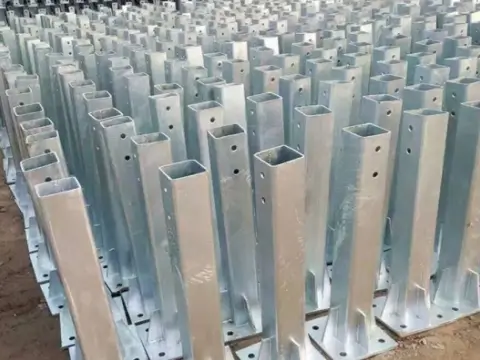
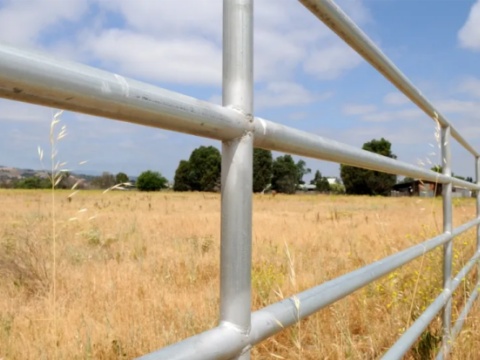
- Choose hot dip galvanized pipe: Outdoor water supply/fire protection pipelines, power/communication towers, highway guardrails, agricultural greenhouses, water treatment/chemical industry, mining/drilling, construction/coastal/buried applications.
- Choose electro-galvanized pipe: Indoor conduit pipes, indoor tables and chairs, display racks/storage racks, temporary emergency applications.
How to Quickly Distinguish?
Visual observation can be made by color, touch, and texture: the one that is darker, less smooth, or has a slight graininess is a hot dip galvanized pipe; otherwise, it is an electro-galvanized pipe.
Using tools: For the same specification and same length, the hot dip galvanized pipe is heavier (thicker zinc coating), while the electro-galvanized pipe is lighter. Use a zinc coating thickness gauge to measure; the one with a thicker zinc coating is the hot dip galvanized pipe. For a bending test, the one where the zinc coating does not peel off at the bend is the hot dip galvanized pipe.
Should I Choose a Hot Dip Galvanized Pipe or an Electro-galvanized Pipe?
The above information about process selection has already been explained very clearly. You can choose the process based on your application and service life requirements.