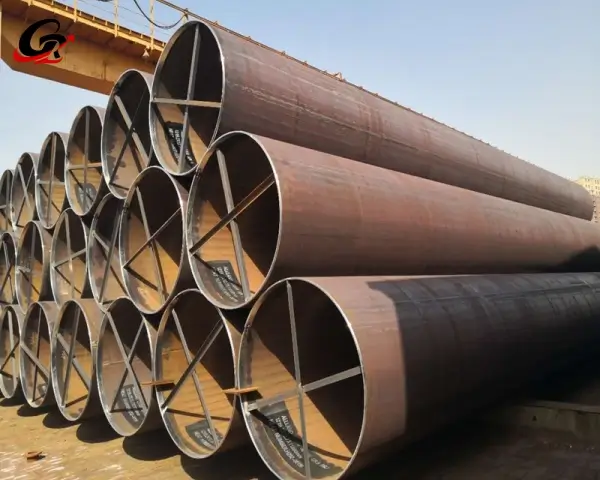
Hot-dip galvanized steel pipe (GI pipe) and black steel pipe are the two dominant carbon steel pipe options for global water drainage, gas, irrigation and industrial pipeline projects. Manufactured from carbon steel substrates such as ASTM A53 Gr.B and Q235B, their main difference lies in surface anti-corrosion treatment.
This directly impacts service life, suitable applications and total project cost. Wrong pipe selection leads to rust, leakage, high maintenance expenses and potential safety risks. This buyer-focused guide compares technical performance, application scenarios and costs to help you make the right purchasing decision.

1. Product Overview
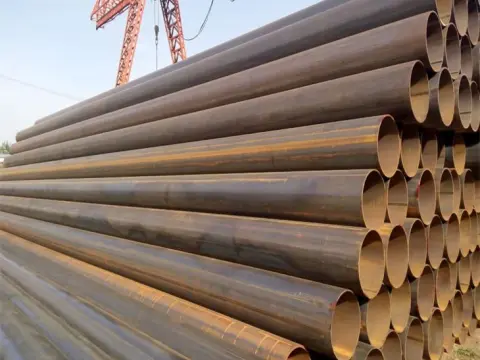
Black Steel Pipe
Black steel pipe is uncoated carbon steel pipe. Its dark matte surface comes from rolling mill scale without additional metallic protection. ERW welded pipe is standard, seamless pipe available on request. It matches galvanized pipe in mechanical strength and pressure rating for identical specs. Easy to cut, thread and weld, it remains the top choice for gas mains and fire protection pipelines.
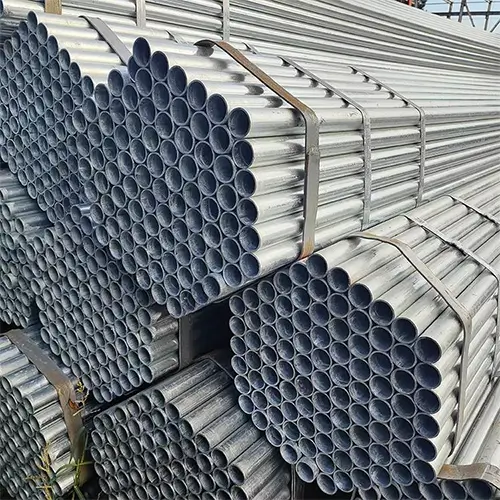
Galvanized Pipe
Produced using black steel pipe as base material via hot-dip galvanizing, a uniform zinc layer coats both inner and outer surfaces. The zinc coating delivers dual protection: physical barrier against moisture plus sacrificial anode corrosion resistance. When coating suffers minor damage, zinc corrodes first to preserve the steel substrate. Standard zinc coating weight: 60–100g/㎡, ideal for humid, open-air and water supply pipeline projects.

2. Key Performance Comparison
Corrosion Resistance & Service Life
- Black Steel Pipe: No zinc coating. Performs well in dry indoor environments, but rusts rapidly when exposed to water or humid air. Without paint or epoxy coating for outdoor installation, heavy rust occurs within 2–5 years. Dry indoor gas pipelines normally last 20–30 years.
- Galvanized Pipe: Zinc layer protects against moisture and atmospheric corrosion. Outdoor water supply and irrigation pipelines achieve 30–50 years service life under normal operating conditions. Coastal salt spray shortens lifespan, yet it still outperforms bare black steel pipe significantly.
Suitable Media (Critical for Buyers)
- Black Steel Pipe: Recommended for natural gas, propane, fire sprinkler systems, steam, compressed air, and dry industrial fluids. Not suitable for long-term water transport, as inner wall rust creates debris that clogs pipelines.
- Galvanized Pipe: Best choice for potable water supply, irrigation and outdoor water transmission. Not recommended for gas service. Continuous gas flow strips internal zinc coating, and zinc debris accumulates to block pipelines, creating safety hazards. Many international engineering codes restrict this usage.
Fabrication & Site Installation
- Black Steel Pipe: Simple on-site cutting, threading and welding, no special protection needed. Stable weld quality, preferred for field fabrication and heavy welding jobs.
- Galvanized Pipe: Zinc coating around weld joints must be ground off before welding. Welding creates toxic zinc fumes requiring safety protection. Weld seams need re-coating for corrosion protection after welding, adding extra labor and cost. Threaded ends require supplementary zinc anti-corrosion treatment after threading.
Cost
- Black Steel Pipe: Lower ex-factory price with advantages in upfront procurement cost. Drawback: regular anti-rust maintenance required in humid environments, raising long-term total expenditure.
- Galvanized Pipe: Hot-dip galvanizing adds production cost, usually 20%–40% higher unit price. Higher initial investment, but minimal corrosion maintenance, delivering superior whole-life cost for outdoor humid projects.
Appearance
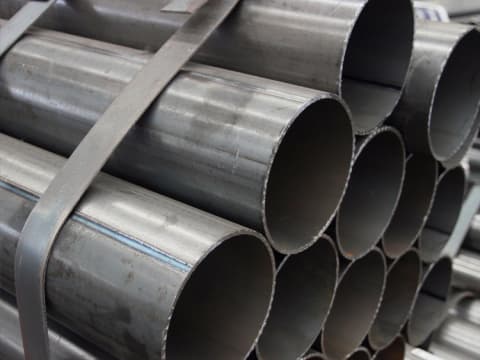
- Black Steel Pipe: Matte black/dark grey.
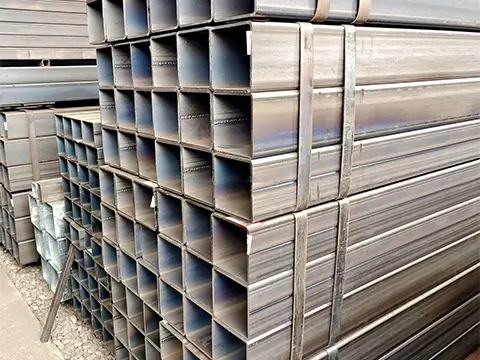
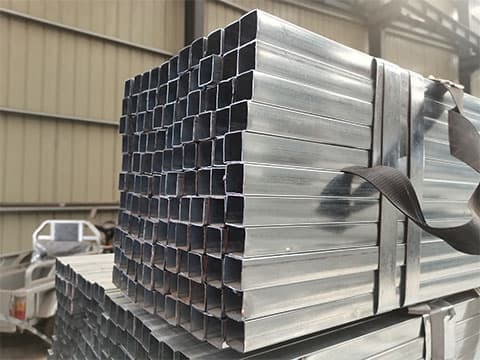
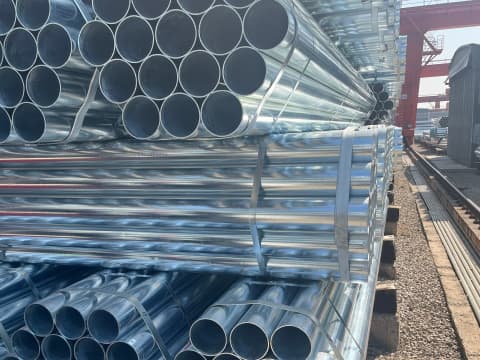
- Galvanized Pipe: Silver-grey metal finish with characteristic galvanized spangle pattern.
3. Project Selection Checklist
✅ Choose Black Steel Pipe
- Indoor natural gas & LPG transmission pipelines.
- Building fire sprinkler piping systems.
- Steam & compressed air pipelines inside dry workshops.
- Industrial pipes to receive field paint/epoxy internal coating later.
- High-temperature pipeline systems (heat destroys galvanized coating).
✅ Choose Galvanized Pipe
- Municipal & building water supply pipelines.
- Farm irrigation and outdoor water conveyance projects.
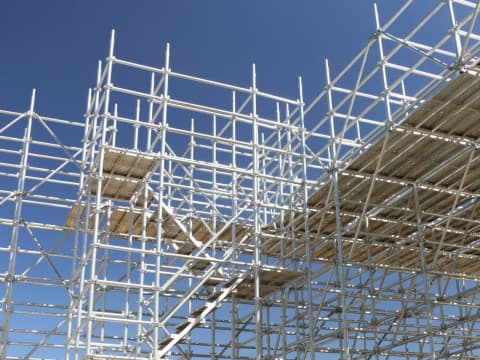
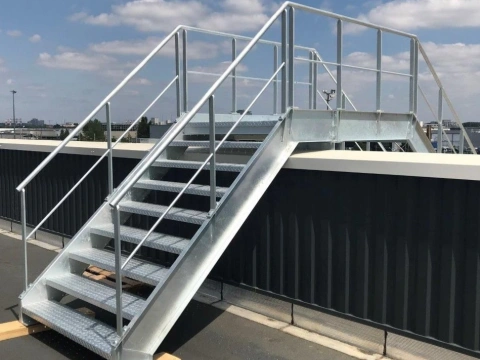
- Overhead exposed pipelines, fencing and scaffolding tubes.
- High humidity locations where frequent anti-corrosion maintenance cannot be arranged.
Important Reminder: Never combine black steel pipe and galvanized pipe within the same fluid piping system. Contact between dissimilar metals triggers galvanic corrosion and shortens pipe service life.
4. Procurement Notes for Overseas Buyers
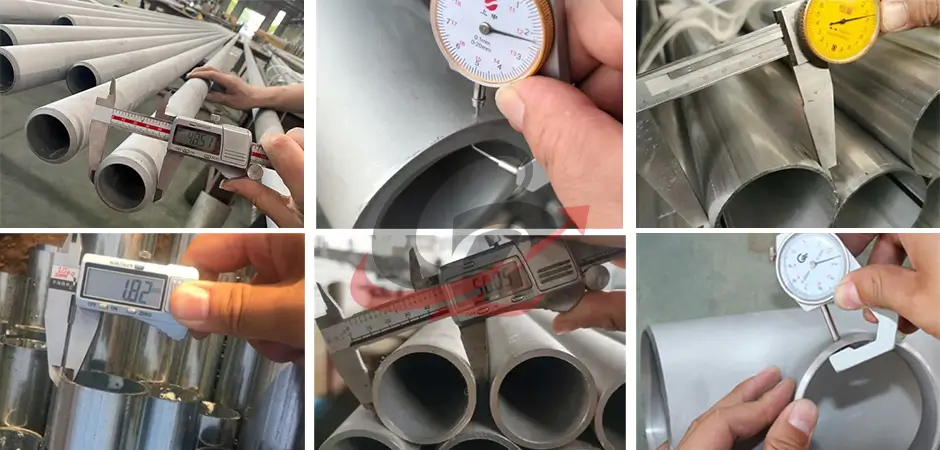
- Standards: Both pipe types meet ASTM A53 Gr.A/B. EN, API certificates, and 3.1 MTC material test certificates can be supplied upon request.
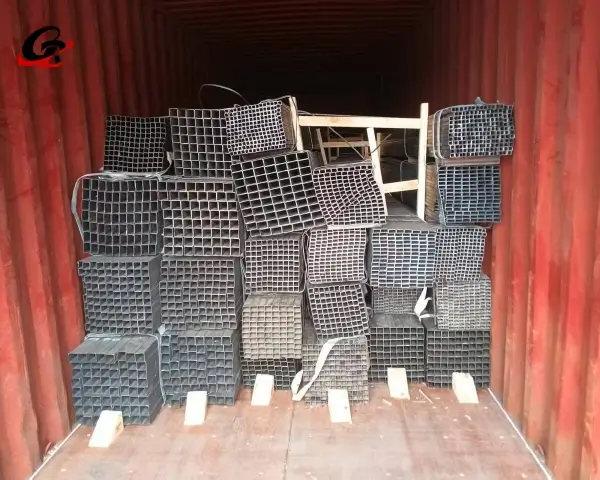
- Custom Specs: ERW welded pipe as standard supply, seamless pipe available. Plain ends, threading and beveling are supported. Standard lengths of 6m / 5.8m fit 20GP container loading.
- Zinc Coating: Zinc coating weight adjustable to buyer requirements; zinc layer test reports available.
- Export Packing: Bundled pipes fitted with plastic end caps. Markings for specification, heat number and steel grade to avoid coating damage during sea shipment.
5. FAQ
Q1: Can black steel pipe be used for temporary water delivery?
A: Acceptable for short-term temporary pipelines, but not advised for permanent water supply projects. Inner rust contaminates water, reduces pipe bore and increases replacement and maintenance costs over time.
Q2: Is galvanized pipe weldable?
A: Yes. Remove zinc coating near welds before welding and reapply anti-corrosion coating afterwards. Black steel pipe is preferred for projects requiring large volumes of welding.
Q3: Do both pipe types share the same pressure capacity?
A: For the same outer diameter, wall thickness and steel grade, pressure rating is identical. Galvanization is only surface treatment and will not change the steel pipe’s mechanical performance.
Q4: Will galvanized pipe rust easily during ocean shipping?
A: Proper hot-dip galvanized coating provides reliable corrosion resistance. With moisture-proof packaging inside containers, severe white rust will not occur under normal transport conditions. Passivation treatment can be ordered to reduce white rust risk.
6. Summary
Neither pipe type is universally better. Your final choice depends on conveyed medium, installation environment, budget, and maintenance schedule.
- Select black steel pipe: Dry indoor gas or fire pipelines, priority on lower initial cost, extensive field welding work.
- Select hot-dip galvanized pipe: Water supply, irrigation, humid outdoor projects, long-term maintenance-free performance.
Glory Steel supplies ASTM A53 black steel pipe and hot-dip galvanized welded pipe customized to your project drawings. We offer custom diameters, wall thicknesses and pipe end finishing, complete material certificates and sea-optimized packaging. Send your project parameters to get an FOB or CIF quotation.