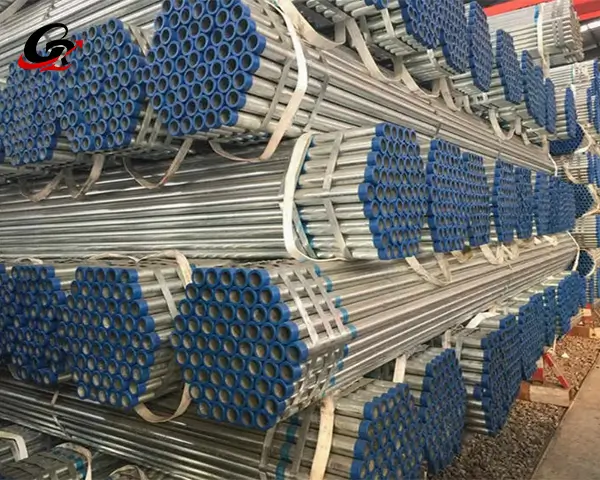
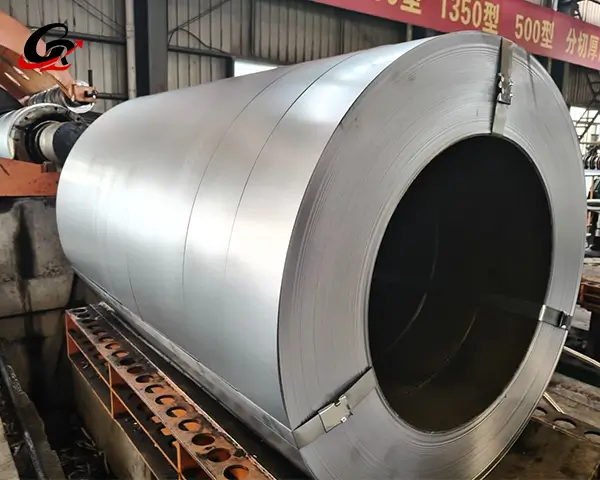
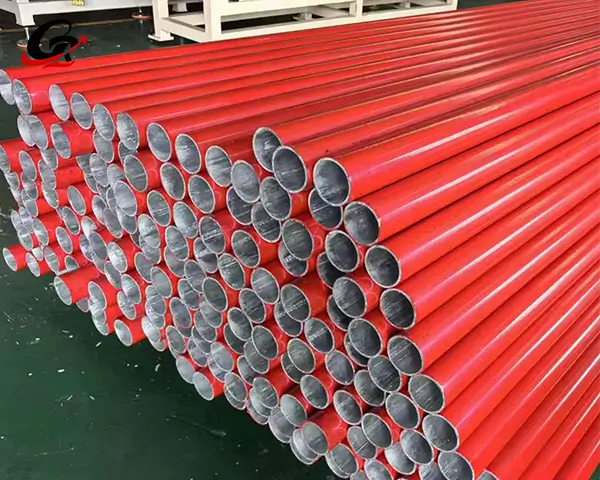
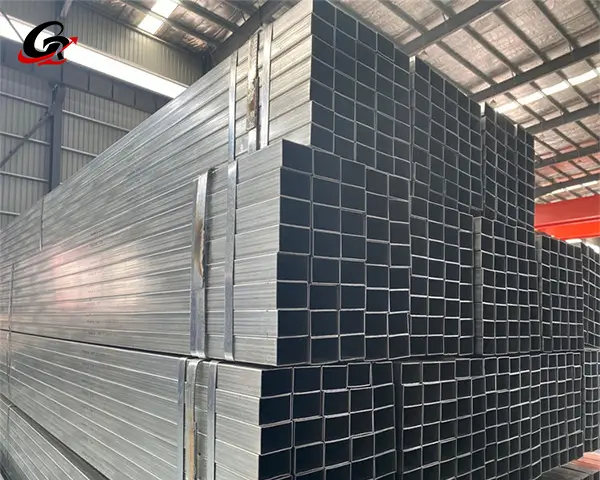
We often see galvanized seamless pipes, galvanized welded pipes, galvanized pipes of various diameters, or galvanized pipes with threads at both ends. Some are used for building frames, some for heating and water supply pipelines, some for oil and gas transmission, and some for tower construction. What are the differences between them?
In fact, the base material and forming methods of galvanized carbon steel pipes for different uses differ. Let’s learn more about the categories of galvanized pipes and the differences in base materials for different applications.
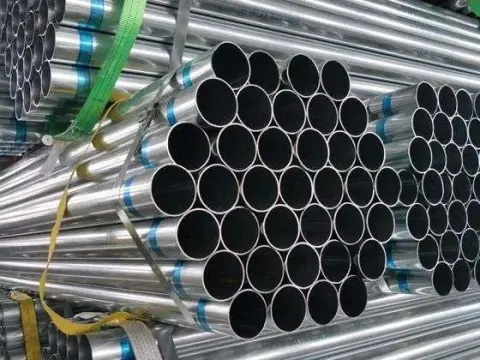
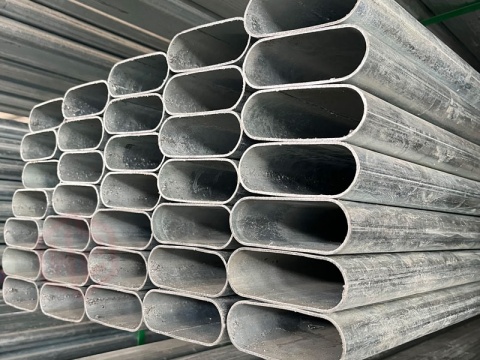
5 different ways to classify galvanized pipes
1. By Coating Process
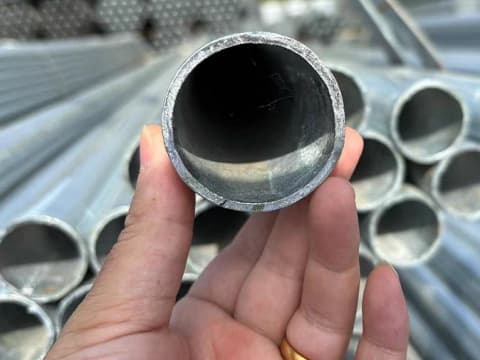
- Hot-Dip Galvanized Pipe: Zinc layer thickness ≥ 35μm, service life 30-50 years, strong zinc layer adhesion.
- Cold-Dip Galvanized Pipe (Electro-Galvanized Pipe): Thin zinc layer (5-30μm), bright appearance, low cost. Limited application scenarios, short service life, not recommended.
2. Classification by molding method
- Galvanized Welded Pipe – ERW welded, economical, widely used for general applications.
- Galvanized Seamless Pipe – Seamless hot rolled, high-pressure resistance, for heavy-duty & high-strength projects.
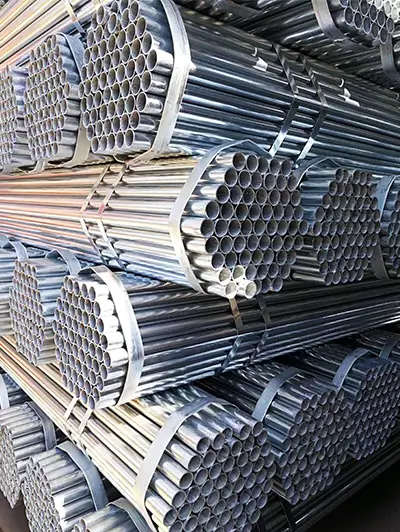
Welding Method Description
The default welding method here is ERW, sometimes HFW, which is essentially a high-frequency version of ERW. In addition, there are LSAW and SSAW welding methods.
- ERW (Electric Resistance Welding) – Most commonly used and cost-effective.
- LSAW (Longitudinal Submerged Arc Welding) – For large-diameter, thick-walled pipes.
- SSAW (Spiral Submerged Arc Welding) – For large-diameter, high-pressure pipelines.
- HFW (High Frequency Welding) – For precision, thin-walled, high-quality welded pipes.
3. By Cross-Section Shape
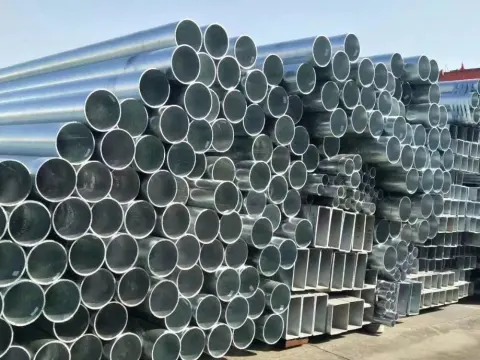
- Round Pipe: Most commonly used, low fluid resistance, easy connection (threaded/welded/grooved), huge market demand.
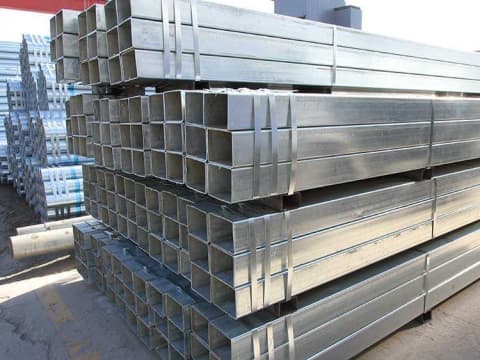
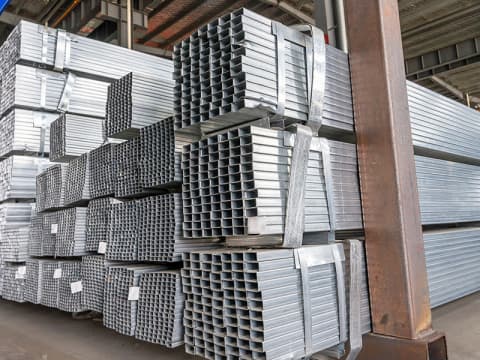
- Square/Rectangular Pipe: High bending rigidity, aesthetic appearance, used for structural frames and curtain walls.
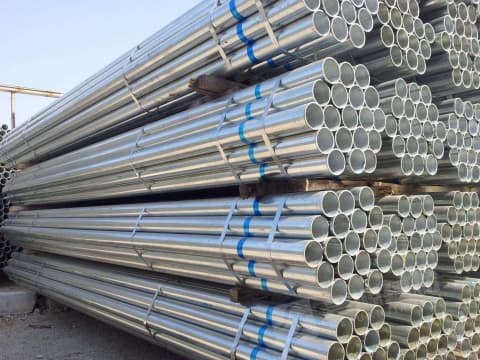
4. By Application
- Low-Pressure Fluid Transmission Pipe: For water, gas, heating, fire protection systems, test pressure ≤ 3MPa.
- High-Pressure Fluid Transmission Pipe: For long-distance oil and natural gas pipelines, test pressure ≥ 5MPa.
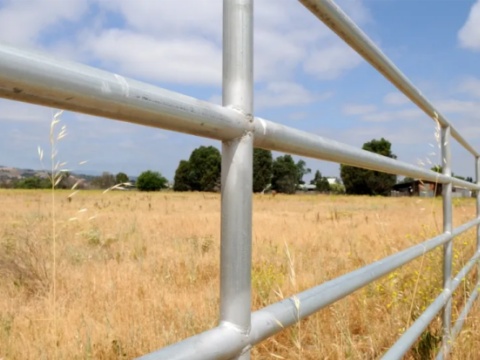
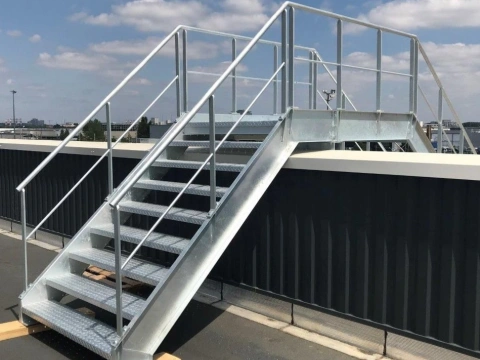
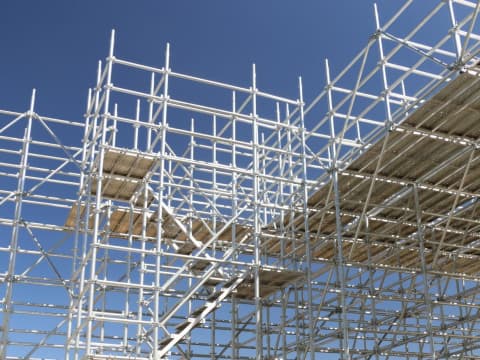
- Structural Pipe: For construction, bridges, scaffolding, focusing on tensile strength and cold bending performance.
- Protective Pipe: For chemical, marine, mining industries, requiring high zinc coating (≥200g/m²).
- Potable Water Special Pipe: Must comply with GB/T 17219 hygiene standards. Plastic-Lined Steel Pipe is recommended, direct welding is strictly prohibited.
5. By Material Grade
- Q195 Carbon Steel: Low strength (195MPa), good plasticity, for light load / conduit applications.
- Q215 Carbon Steel: Rarely used in the market, often replaced by Q235.
- Q235 Carbon Steel: Most commonly used (235MPa), first choice for fire protection / gas / water supply & drainage systems.
- Q355 Low Alloy High Strength Steel (Formerly Q345): 50% higher strength, for heavy-duty structures.
- GR.B / API 5L: American standard line pipe, dedicated for oil & gas, resistant to sulfide stress corrosion.
How to choose materials based on intended use
If you’re unsure how to choose, the table below can help you make a quick decision.
Selection Comparison Table
| Application Scenarios | GB | ASTM | EN | JIS |
|---|---|---|---|---|
| General water pipes/fire protection/gas pipes | Q235B | A53 Gr.B | S235JR | SS400 / STK400 |
| Heavy-duty structures/load-bearing/high-pressure pipes | Q355B | A53 Gr.C / A500 Gr.C | S355JR | STK500 |
| Light-load/conduit pipes/greenhouses | Q195 | A53 Gr.A | S195 | SS330 |
| Long-distance oil and gas pipelines | — | API 5L Gr.B | — | — |
| Mechanical parts/high-pressure pipes | 20# | A106 Gr.B | — | STPG410 |
If you would like to know the price of galvanized pipes, please feel free to contact us.